
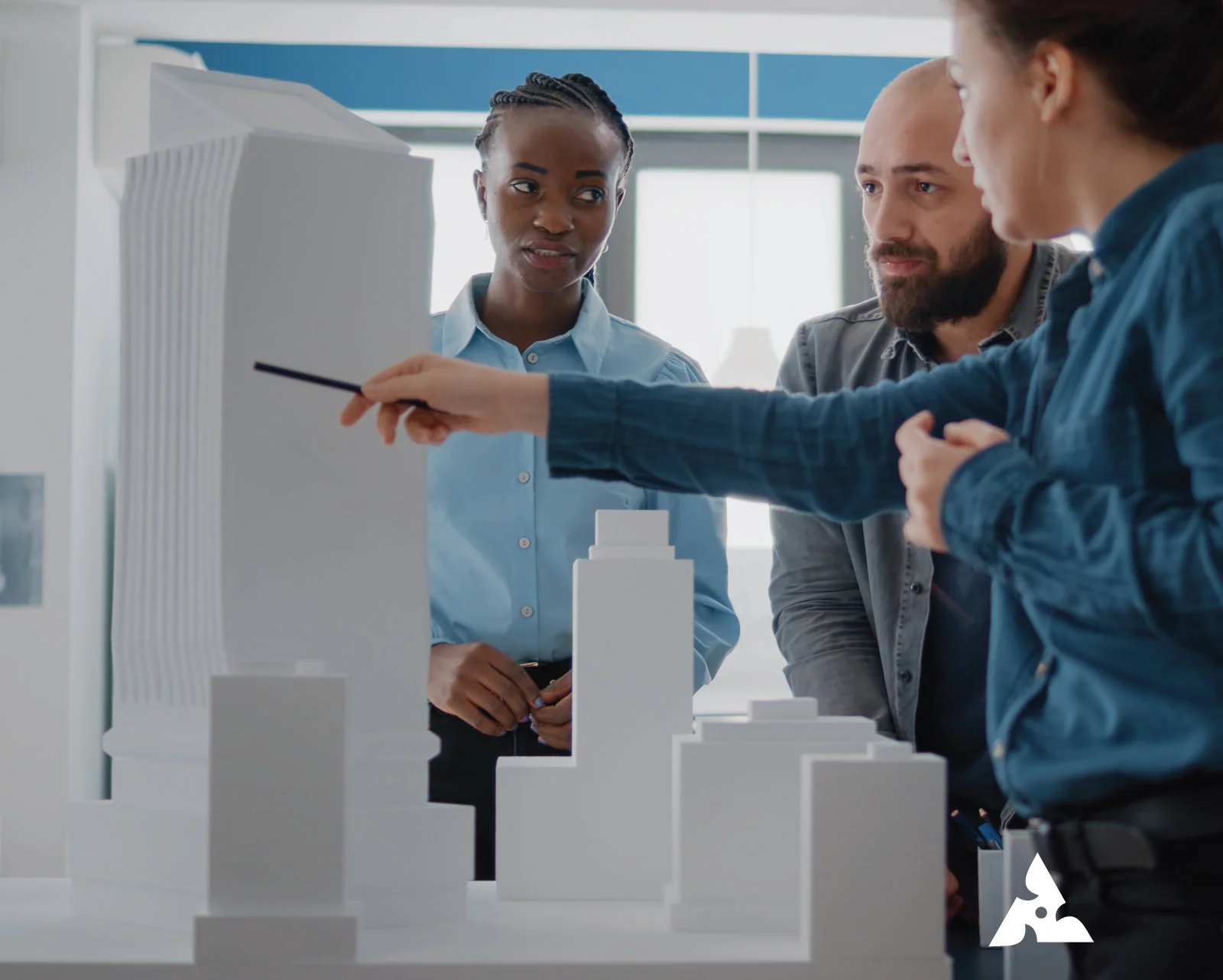
Eco Architecture Model for Professional Architectural Presentations
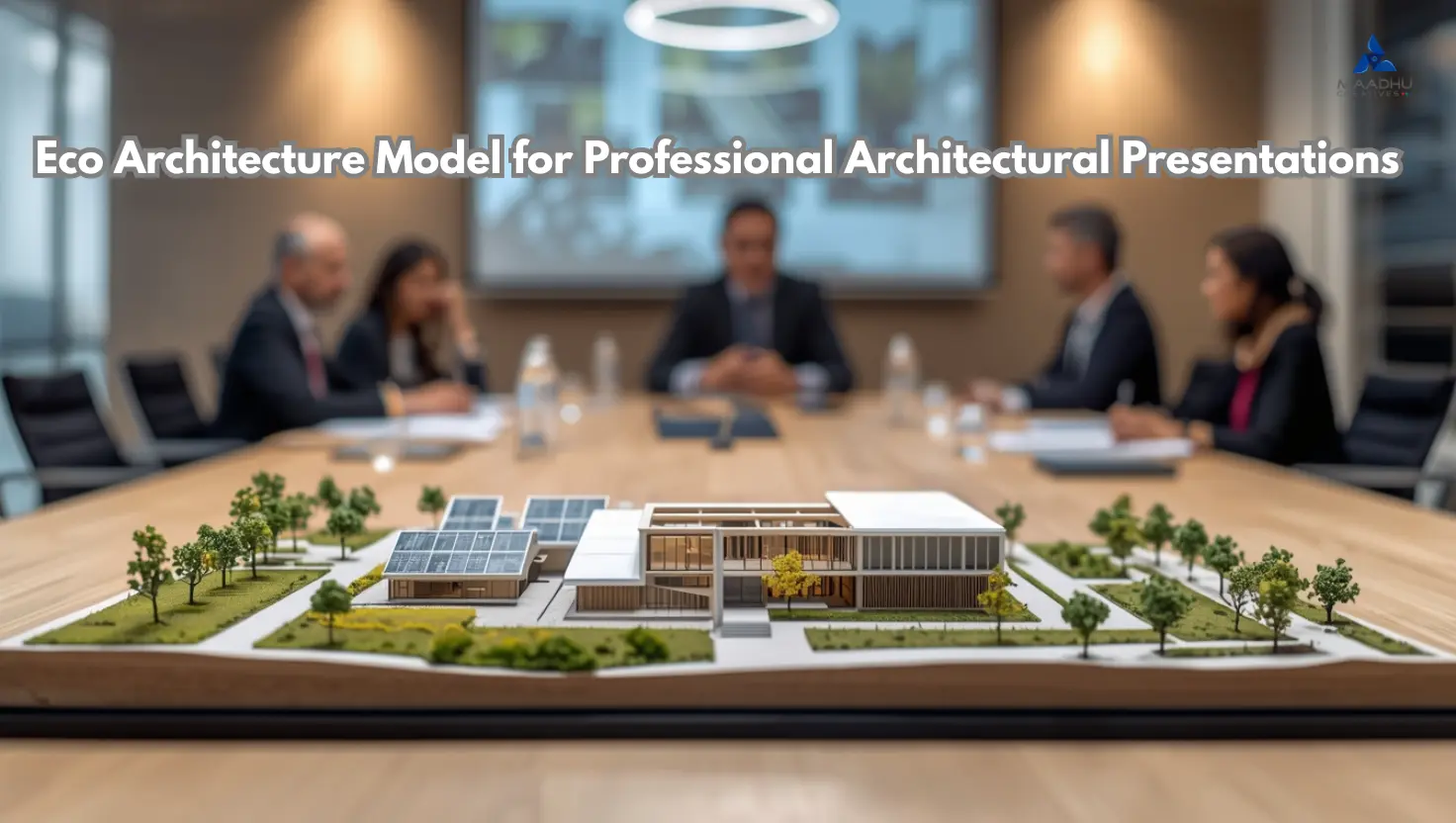
Professional Architectural Model Making for Accurate Visualisation
Table of Contents
Introduction
Sustainability has become a major element of modern architecture. With the increasing concern for the environment, more stringent regulations, and a growing awareness of investors, architects and developers are required to create designs that are not just visually appealing, but also ecologically sustainable. Communication of this vision in a professional manner is vital, especially in the professional presentations of architects. That's where the eco-architecture model plays an important role.
Eco-architecture models are an effective model of sustainability in architecture that is designed to demonstrate the environmental aspects of green building techniques, as well as the future-ready planning strategies. for client meetings and competitions, government approvals and investor presentations They provide the clarity, confidence, trustworthiness, and visual impact that drawings or digital images cannot do.
Understanding Eco Architecture Models
An eco-architecture model is a type of architectural scale model created specifically to demonstrate sustainability-focused design solutions. While traditional models are physical in nature, eco models focus on how the building interacts with its environment while minimising its carbon output.
These visual representations represent the fundamentals of:
- Sustainable design architecture
- Green architecture
- Environmental architecture
- Eco-friendly architecture
The main areas of focus for eco models are: Renewable Energy (Solar Power, Wind Power, Geothermal Energy), Climate-Sensitive Design (Utilising Local Materials), Water Management, and Landscape Integration. These factors are all essential components of the current way of storytelling through Architectural Design.
Importance of Eco Architecture Models in Professional Presentations
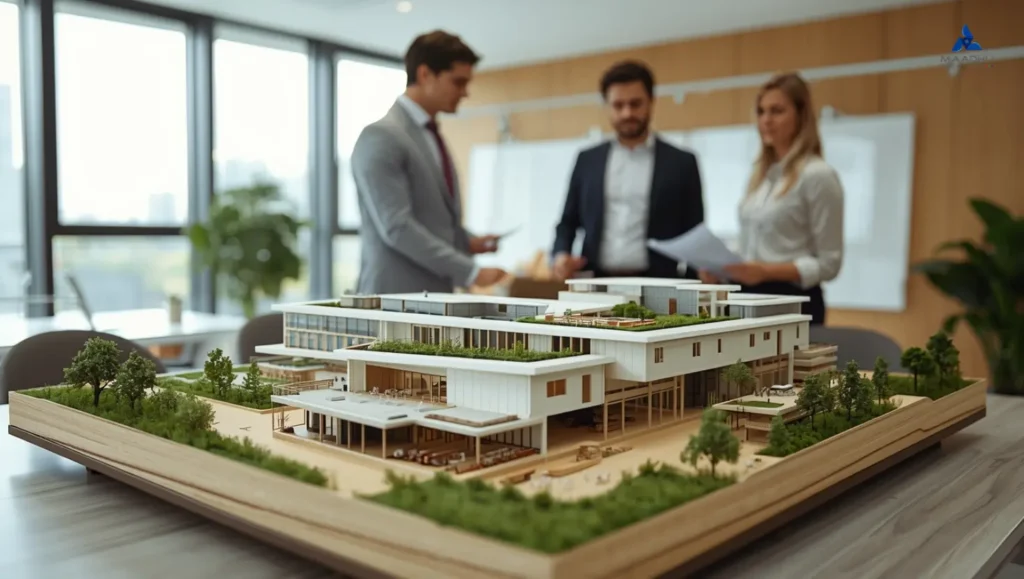
Professional architectural presentations need precision, clarity, and persuasiveness. Eco-architecture models help architects convey complex sustainable concepts in a way that is accessible to both technical and non-technical audiences.
Visual Clarity for Decision-Makers
A lot of stakeholders, including the planning authorities and investors aren't sure of how sustainability reports and technical drawings work. A physical model immediately clarifies the way sustainable architecture functions in real life.
Stronger Emotional and Visual Impact
A well-crafted physical model creates a tangible connection. It lets the viewer see scale, form and spatial connections which makes the design impressive and believable.
Enhanced Professional Image
A model of eco-architecture shows a commitment to sustainability and the pursuit of innovation. It positions developers and architects as forward-thinking professionals who are aligned with the global goals for environmental sustainability.
Advantages of Using Eco Architecture Models
1. Effective Communication of Sustainable Design Architecture
Eco-friendly models help make abstract sustainability concepts apparent. The benefits of passive solar design as well as green roofs or natural ventilation are simpler to comprehend when they are physically depicted.
2. Increased Confidence in Investor Presentation Models
Investors are more focused on ESG (Environmental, Social, and Governance) values. Eco architecture models can help convey the long-term benefits of sustainability, including lower operating costs and the potential for the possibility of future resilience.
3. Support for Planning Approvals and Certifications
To obtain environmental approvals and LEED green building certifications physical models provide clear evidence of sustainable criteria.
4. Improved Design Evaluation
Architects and planners can evaluate the environmental performance spatial efficiency, as well as urban integration more efficiently using the physical model.
Key Elements of a Sustainable Architecture Model
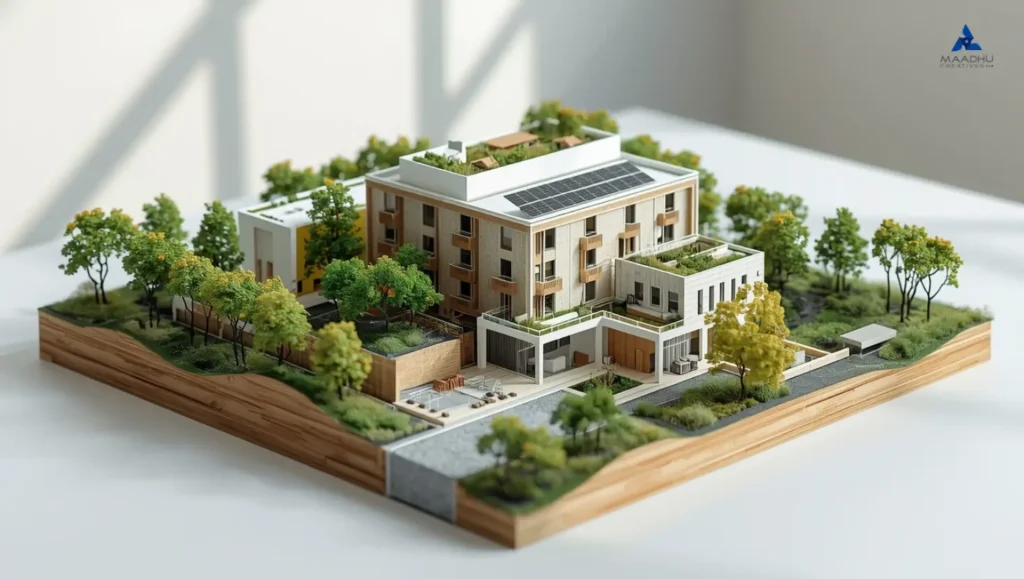
A successful eco architecture model incorporates multiple layers of environmental design.
Sustainable Building Features
- Solar panels and renewable energy systems
- Green roofs and vertical gardens
- Shading devices and façade optimization
- Daylighting and passive cooling strategies
Water and Resource Management
- Rainwater harvesting systems
- Permeable landscapes
- Greywater recycling representation
Environmental Context Integration
- Natural topography and landscaping
- Tree coverage and biodiversity zones
- Building orientation based on climate conditions
These elements collectively communicate the essence of eco friendly architecture and responsible design.
Role of Architectural Model Makers in Eco Architecture
An eco-friendly design can only become a physical structure when produced by an architect that specializes in sustainable building. While most architects may say they have some experience designing sustainable structures, the fact is that architects who specialize in eco-friendly designs have already experienced a significant amount of what methods and materials are best suited for these types of projects. Therefore, only through such an architect will you get an accurate-to-the-plan, pleasing to the eye design of your sustainably built structure.
Expertise and Craftsmanship
Expert model makers are aware of the importance of accuracy in scale, material representation as well as environmental details. They craft intricate components like the solar panels, natural spaces and exterior textures.
Sustainable Model-Making Practices
Many model manufacturers are now using environmentally-friendly production techniques, using recycled materials, low-energy lighting and eco-friendly adhesives which is in keeping with the concept that sustainable design is the future of architecture.
Eco Architecture Models in Environmental Architecture and Urban Planning
The focus of environmental architecture is on creating structures and spaces that are responsive to the climate, the geography and human requirements. Eco-architecture models play an essential part in illustrating the equilibrium.
Sustainability Urban Planning Representation
On a larger scale eco-architecture models assist show:
- Mixed-use developments
- Layouts that are pedestrian-friendly
- Connectivity to public transportation
- Green pathways and open spaces
These models permit the stakeholders and planners to evaluate the long-term impact of environmental and social impacts and social impact, which makes them extremely useful for large-scale projects.
Physical Models vs 3D Visualisation in Sustainable Architecture
Physical models as well as 3D visualisation are used extensively to present professional-grade presentations however each has its own advantages.
Benefits of Physical Models
- Hands-on, tangible experience
- A clear understanding of scale and proportions
- A strong presence at exhibitions and conferences.
Benefits of 3D Visualisation
- Walkthroughs and dynamic animations
- Shadow, energy and daylight simulations
- Easy design modifications
To make the most impact, architects typically incorporate physical eco models with 3D visualization, resulting in an impressive and engaging method of presentation.
Eco Architecture Models for LEED Green Building Certification
The process of obtaining LEED sustainable building accreditation demands the demonstration of sustainable strategies. Eco-architecture models can help visually demonstrate the compliance with LEED categories, such as:
- Efficiency in energy use
- Conservation of water
- Sustainable site design
- Indoor environmental quality
They make it simpler for both clients and reviewers of certification to comprehend the process of achieving sustainability goals.
Investor Presentation Models and Sustainable Value
The modern real estate investors are focusing on projects that promote sustainability and value creation over the long term. Models for investor presentations that include eco-friendly features can help convey:
- Reduction of environmental risk
- Energy efficient operational performance
- Positive environmental and community impact
This visual narrative boosts confidence in investors and aids in funding decisions.
Future Trends in Eco Architecture Models
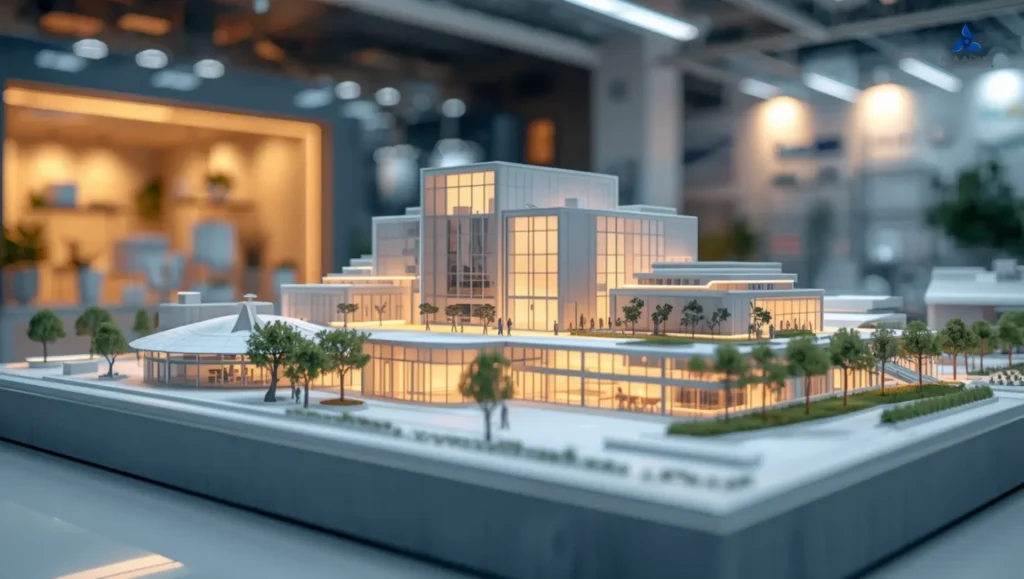
Demand for eco-friendly architecture is continuing to increase, influencing the future of eco-architecture models.
Emerging Trends Include:
- Intelligent lighting that mimics the sun's rays and simulate solar pathways
- Modular physical models to allow for adaptability urban planning
- Hybrid models combining physical with digital technology
- More use of biodegradable and recycled materials
These developments improve how sustainable practices are communicated, and comprehended.
Conclusion
Eco-friendly Models can be helpful in many ways. Eco-friendly Models allow people to share their ideas using an environmentally friendly way of presenting them and so that other people can see what they were trying to say. Eco-friendly Models help builders and building designers show someone or something about themselves that they would like them to be aware of, show how builders and building designers can create an environment for sustainable practices, and show builders and architects their environmental responsibility. Eco-friendly Models turn complex ideas about sustainability into simple graphic images that help clients and stakeholders understand the importance of sustainability and the benefits it brings.
From urban design and environmental architecture, from urban planning and environmental architecture to LEED certification presentations and investor meetings eco-friendly presentation models are essential to designing a sustainable built environment. They can bridge the gap between understanding and ideas they encourage informed debates and help build a sustainable future through carefully designed designs.
Recent PostsFrequently Asked Questions
Q1: Why are eco architecture models important in sustainable architecture projects?They help visually communicate environmental strategies, making sustainable architecture easier to understand and evaluate.
Q2: Can eco architecture models support urban planning proposals?Yes, they are highly effective for demonstrating sustainability urban planning, mixed-use development, and environmental impact.
Q3: Are eco architecture models useful for investor presentations?Absolutely. They strengthen investor presentation models by showcasing long-term sustainability value and eco-friendly design benefits.
Q4: What materials are commonly used to create eco architecture models?
Eco architecture models are often made using sustainable materials such as recycled cardboard, wood, biodegradable plastics, eco-friendly resins, and other environmentally responsible materials to reflect the project's sustainability goals.
Q5: How do eco architecture models improve client presentations?
Eco architecture models provide a clear and realistic representation of sustainable design features, helping clients better understand the project's environmental benefits, spatial layout, and overall vision.
Thanks for reading
Share via social media Instagram Facebook Twitter LinkedinRelated Blogs
The Ultimate Guide to House Models: Types, Benefits, and Building Tips
Bring architectural ideas to life with house models. Explore scale, 3D printed, wood, villa, and custom models, plus expert tips for creating detailed...
Read More
Maadhu Creative
•August 28, 2024
Building Scale Models: The Complete Guide to Materials, Process, and Cost
Present your architectural vision with confidence! Explore building scale models, compare materials, understand the making process, and plan your budg...
Read More
Maadhu Creatives
•October 12, 2026
How to Make a City Model: A Simple Guide
Want to make a city model? Learn how to plan, choose materials, build structures, add details, and create a realistic miniature city.
Read More
Maadhu Creatives
•August 13, 2024
