
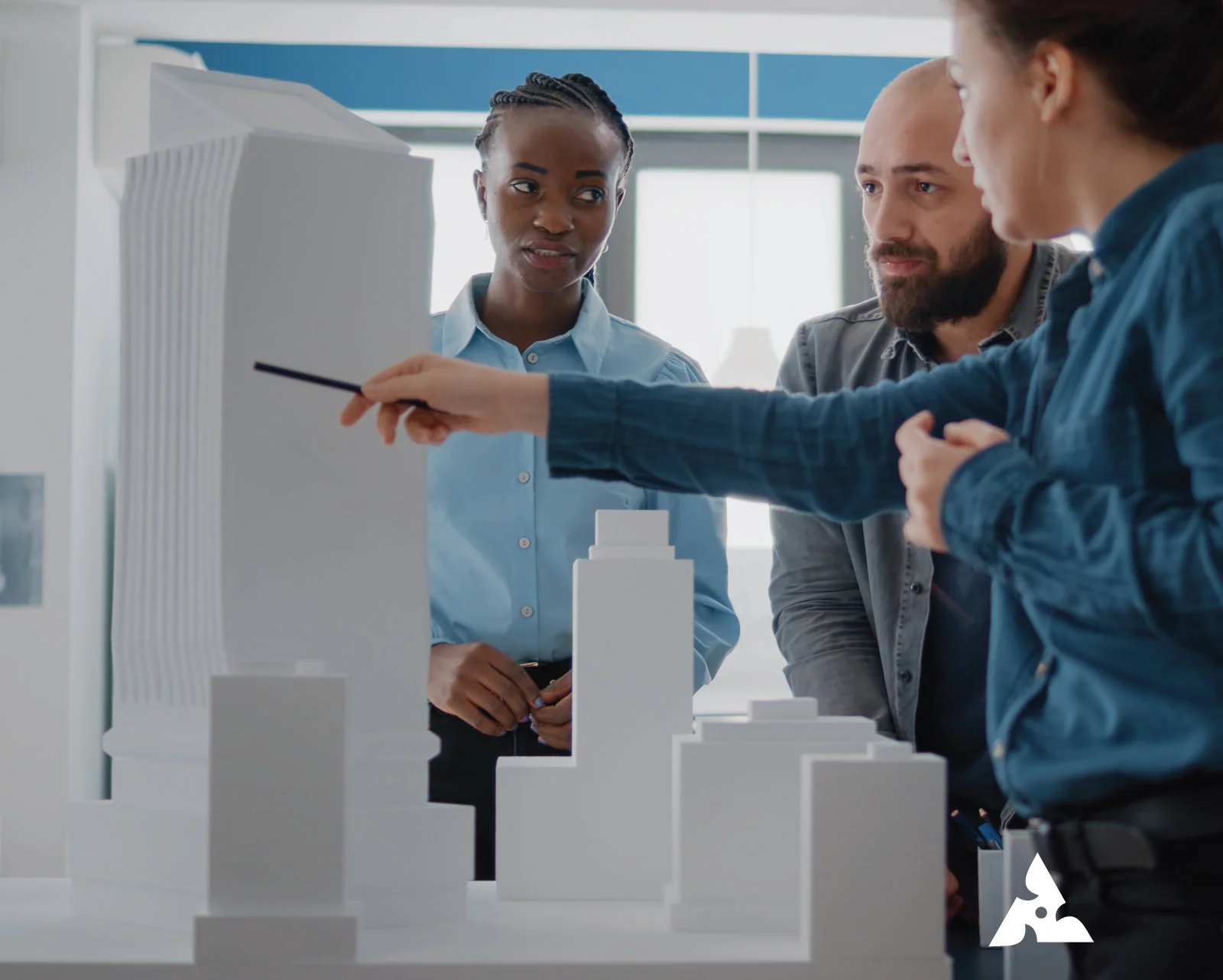
Exhibition Model Making: Types, Process & Benefits
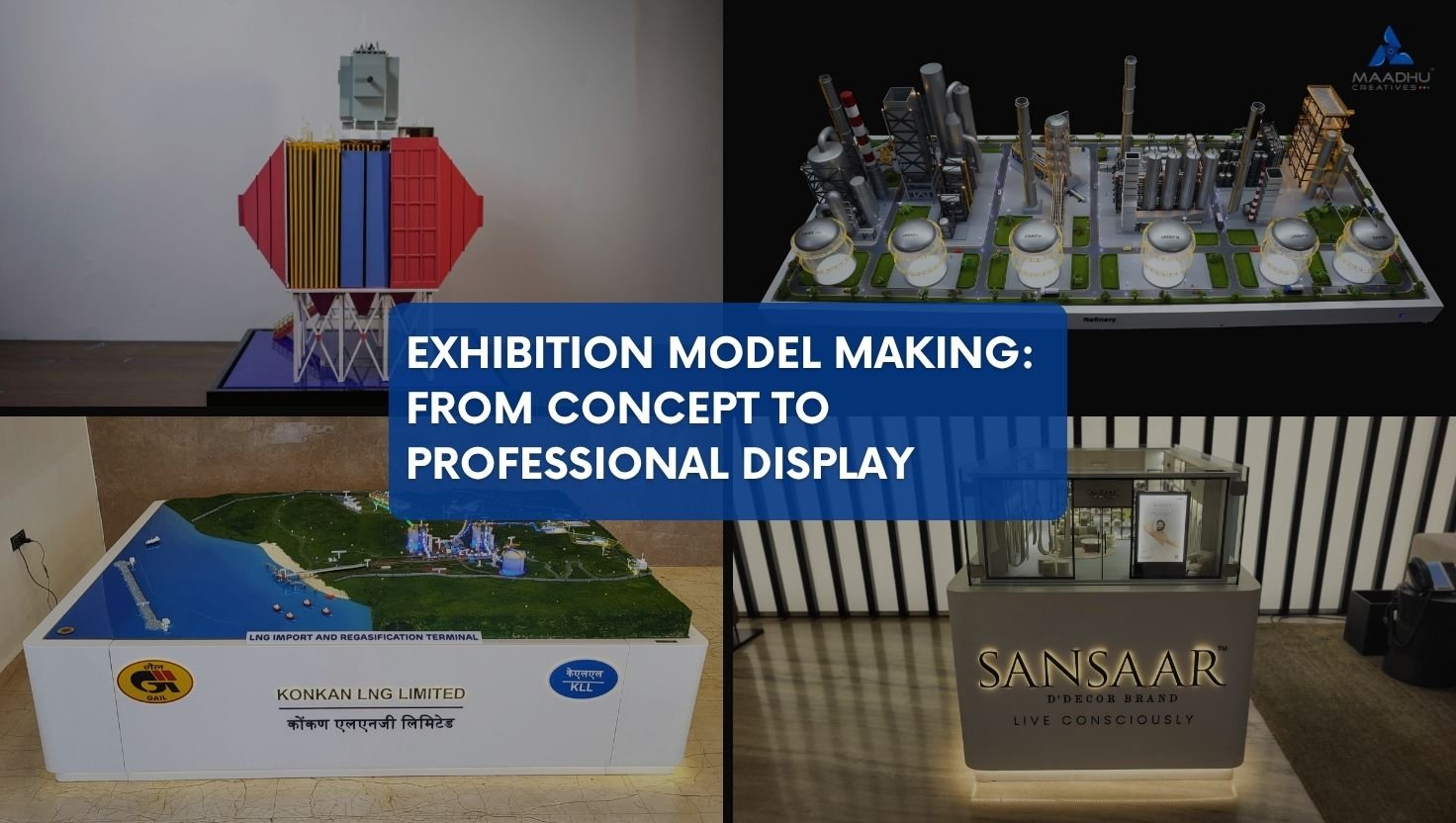
On this blog you will learn how exhibition models are created why exhibition models are useful. How exhibition models can make professional presentations more effective. Exhibition models can show projects, industrial facilities, products, machinery and prototypes. Exhibition models give an engaging way to present an idea, in a physical form.
You will also learn about the exhibition model making process. You will learn about types of display models. You will learn about the materials and modern technologies used in production. You will learn about the role of an exhibition model maker. You will learn how physical models can be used for exhibitions and trade shows. With the mix of design, accuracy, craftsmanship and 3D technology an exhibition model can turn a complex concept into an easy‑to‑understand professional display.
What Is an Exhibition Model?
An exhibition model is a detailed physical representation of a product, structure, project, or concept created for professional display. The model can be made at different scales depending on the purpose, available space, level of detail, and type of project.
Physical exhibition models can represent architectural projects, factories, machinery, infrastructure, products, residential developments, commercial buildings, or engineering systems.
For example an architectural company might use a display model to show a proposed building together, with roads, landscaping, nearby buildings and other key details. Likewise a manufacturing company can use a model to illustrate machinery, equipment, production systems or a full factory layout.
Why Are Exhibition Models Important?
A physical model helps people see a project visually. I find that a physical model makes it easier for people to understand a project in a way. Of looking at separate drawings or images a visitor can see different components of a project together in one presentation.
This is especially useful, at exhibitions and trade shows where a company needs to communicate its ideas. A well‑designed exhibition display can attract visitors. Encourage them to spend more time learning about a product or a project.
Exhibition models can also help companies:
Present complex designs clearly
Demonstrate products and technical concepts
Explain project layouts
Attract visitors at exhibitions
Support sales and marketing presentations
Communicate ideas to clients and investors
Showcase products before final production
Create a professional trade show display
How Is an Exhibition Model Made?
Making an exhibition model includes several steps. First it starts by figuring out the purpose of the model and who will look at it.
The model maker looks at drawings, CAD files, measurements, photos, 3D files, reference pictures or other project data. Then the needed scale, materials, detail level, lighting, colors and display needs are planned.
Depending on the project, the production process may include:
Concept and design planning
Scale selection
3D modelling
Material selection
Component fabrication
3D printing or laser cutting
Assembly
Painting and finishing
Lighting and detailing
Final quality inspection
This combination of digital technology and skilled craftsmanship helps create accurate and attractive display models.
What Does an Exhibition Model Maker Do?
An exhibition model maker takes a design or idea. Turns it into a real model. Their job is not, about making a small version of something.
A skilled model maker looks at the plan and figures out how each part should be shown. They pick the materials decide the size make each piece put the model together and add the final touches.
A skilled exhibition model maker might also add lights, clear parts, things that move parts that can be taken off tiny people, cars, grass, machines and other things that make the display better.
The model maker also considers how visitors will view the model. The finished display should be accurate while making the main concept easy to understand.
Types of Exhibition Models
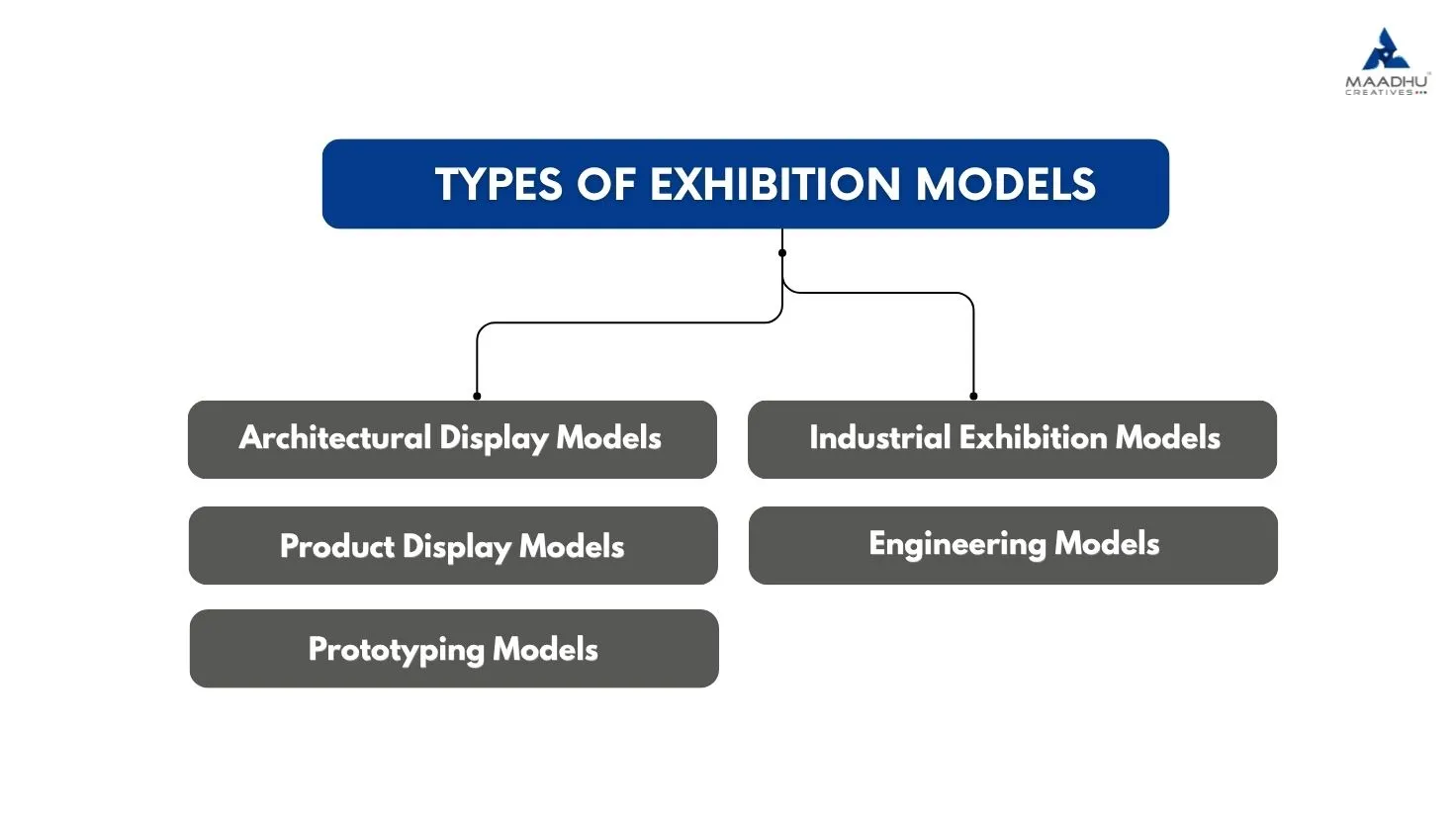
Different projects require different types of models. Some common types include:
Architectural Display Models
Models for architecture serve the purpose of presenting and showcasing buildings, houses, businesses or other architectural projects. Some examples of architectural models include buildings, roads, gardens, parking lots, interiors, or nearby buildings.
Industrial Exhibition Models
Industrial models may consist of factories, production centers, power plants, warehouses, machines, pipelines, tanks and other industrial installations. The use of models helps in explaining complicated arrangements.
Product Display Models
Product models are useful for presenting new products, equipment, consumer goods, machines, and technical components. They can be created before the final product is manufactured.
Engineering Models
Engineering models of an object are utilized to show an engineering system, a mechanical component, an infrastructure, a device and other engineering ideas.
Prototyping Models
Prototyping models are used to represent an object before the final product has been made. The main goal of a prototyping model is to evaluate the appearance and dimensions of a certain product.
Exhibition Models for Trade Shows
Trade shows are busy environments where many companies compete for visitor attention. A strong physical display can help a company present its products or projects in a more memorable way.
Exhibition models, for trade shows can help you showcase products, machinery, buildings, industrial facilities, infrastructure or future developments.
For instance a real estate company can display an architectural model to show a new development. A manufacturing company can put up a factory model to explain how its production works. A product company can use a model to introduce a new product before it goes into mass production.
The right trade show model should look good be easy to understand a long time and fit the space that is available.
3D Exhibition Models and Modern Technology
Technology has made 3D exhibition models more accurate and flexible. 3D modelling software allows designers to develop and review a digital version before physical production begins.
3D printing can then be used to manufacture detailed components, especially parts with complex shapes or small features. Laser cutting and CNC machining can also be used when precise fabrication is required.
A virtual prototype can be particularly useful during the early stages of development. Designers can look at the model find possible changes and adjust before creating the physical version.
Using both models and physical models can create a more efficient presentation and development process.
Exhibition Models vs. Virtual Prototypes
A virtual prototype and a physical exhibition model have roles to play.
A virtual prototype lets people look at a design, on a screen and make changes before it is made into a thing. It can help with checking the design showing it online running tests and working on the idea in the beginning.
A physical model provides a real-life version that people can view from every angle. Visitors can get a feeling, for how large it's how the pieces connect and how everything appears as a whole.
At events and exhibitions physical models offer an experience that people can touch and examine. When working on the design virtual prototypes allow teams to review ideas and make changes quickly.
In projects using both ways gives the best outcome.
Materials Used for Exhibition Model Making
The materials used depend on the model's size, design, purpose, and required level of detail.
Common materials include:
Acrylic
MDF
Wood
Foam
PVC
Resin
Metal
Cardboard
3D printed materials
Different materials can be combined to achieve an professional appearance. The selection of materials is critical. I have seen that transparent acrylic can represent glass. 3D printing can be used for components.
Material selection also depends on how the model will be handled and transported. The model will benefit from cases. Models made for repeated exhibitions often require building and protective cases.
What Makes a Professional Exhibition Display?
A successful exhibition display must combine accuracy, presentation quality, durability and clear communication.
Essential components are:
Proper measurement and size
Good finishing
Proper colours and materials
Detailed parts
Good lighting
Clear markings
Good quality and stable structure
Right base for display
Good view from different sides
The goal is not only to make a smaller version of a project.The model should help visitors understand the idea and remember the presentation.
Benefits of Using Physical Exhibition Models
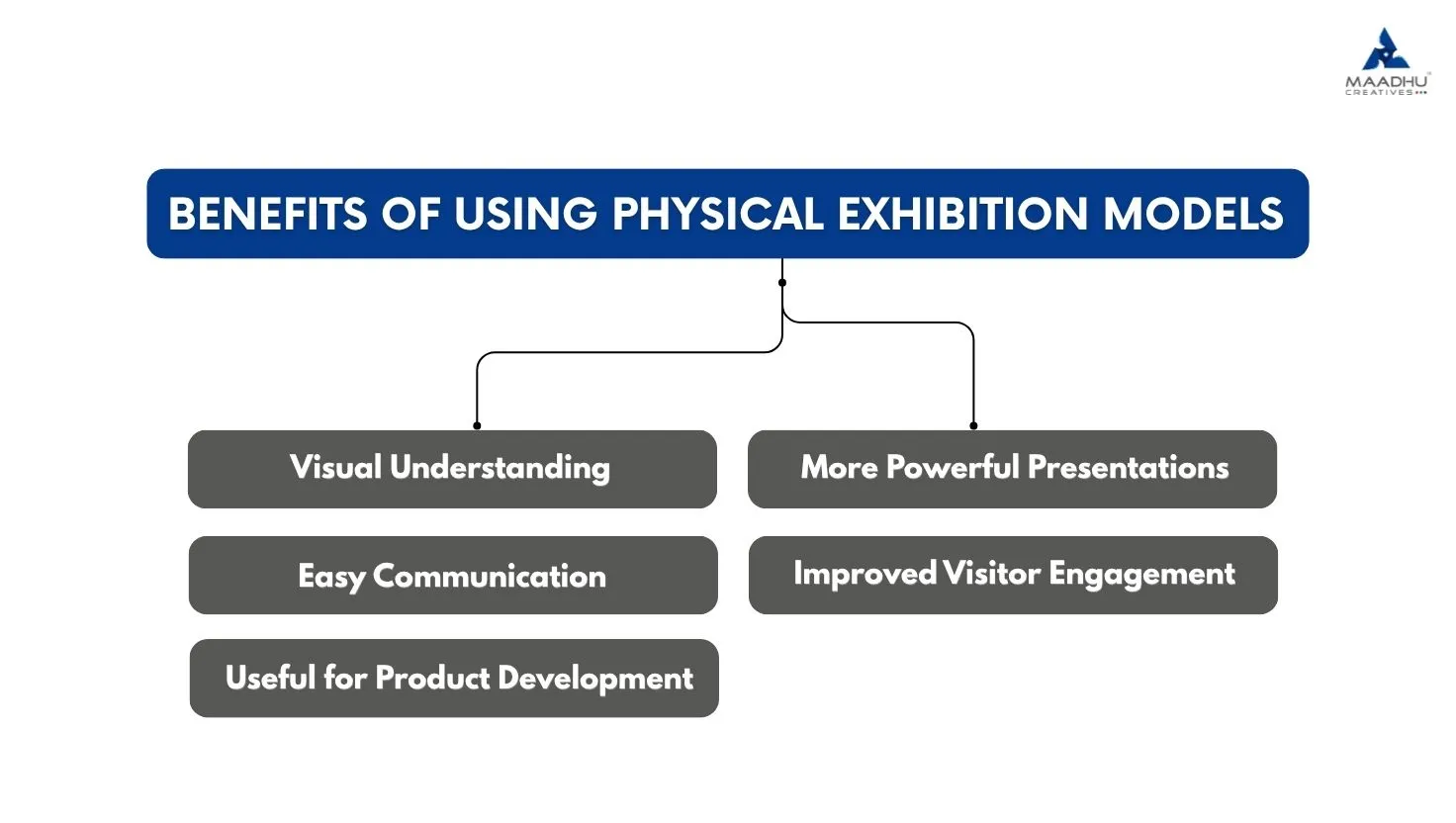
Physical models can provide several benefits for businesses and professionals.
Visual Understanding
With a model, people can understand the entire project in three dimensions instead of only in two dimensions.
More Powerful Presentations
Models allow for more interesting client meetings, fairs, demonstrations, and marketing presentations.
Easy Communication
Showing various elements of the model makes it possible to communicate complicated information easily.
Improved Visitor Engagement
An attractive model can encourage visitors to stop, look ask questions and learn more about the project.
Useful for Product Development
Prototyping models can help teams review a products design and spot changes, before production.
How to Choose an Exhibition Model Maker?
Finding an appropriated exhibition model creator is crucial for attaining the necessary quality and exactness.
Upon selecting someone for this job, it is important to keep into consideration their skills, previous work experience, production work capabilities, used materials, production techniques and methods, finishing quality and ability to work with blueprints or 3D files.
It would make sense to talk about the aim of the models, scale, size of the exhibition area, and transportation process as well.
An experienced exhibition model creator will have the skills and knowledge that will help them to suggest materials and methods based on the requirements of the project.
Conclusion
Creating exhibition models is an excellent method for converting ideas, products, buildings, and technical concepts into a tangible representation. The physical models, whether they are architectural models, product prototypes, industrial models, or trade show models, can simplify complicated information.
Thanks to contemporary technologies like 3D modeling, 3D printing, laser cutting, and digital prototyping, it has become possible to produce highly detailed and precise models for exhibitions.
Regardless of whether you need 3D exhibition models, physical exhibition models, presentation models, prototype models, or trade-show exhibition models, cooperating with a professional exhibition model maker is a good way to make your idea real.
FAQs
What is an exhibition model?
An exhibition model is a 3D copy of a product, building, industrial project, machine or design that is made for exhibitions, trade shows, presentations and professional displays. These models let visitors see the size, shape, layout and main features of a project. These models provide a view, than drawings or digital pictures alone.
What does an exhibition model maker do?
An exhibition model maker turns drawings, CAD files, product designs or concepts into physical models. The process may include planning the scale choosing the material 3D printing, laser cutting, building putting together painting, adding light and finishing every detail. A professional model maker cares about both exactness and how the model looks.
What kinds of exhibition models are available for trade shows?
Exhibition models for trade shows can be architectural, product, industrial, machine, factory, engineering, infrastructure, prototype and interactive 3D models. Choice of the right model depends on what the company is showing and how visitors will use the model.
Are exhibition models better than prototypes?
A virtual prototype helps people review and change a design on a computer, while a physical exhibition model lets people look at the idea from all sides. Both have their benefits and can be used together. Virtual prototypes are handy during design work, while physical models shine at exhibitions, presentations, product demos, and trade shows.
Related Blogs

How to Make Realistic Trees for Model Making: A Step-by-Step Guide
Create realistic trees for model making with simple materials, detailed branches, natural textures, and lifelike foliage for architectural and miniatu...
Read More
Maadhu Creatives
•April 05, 2025
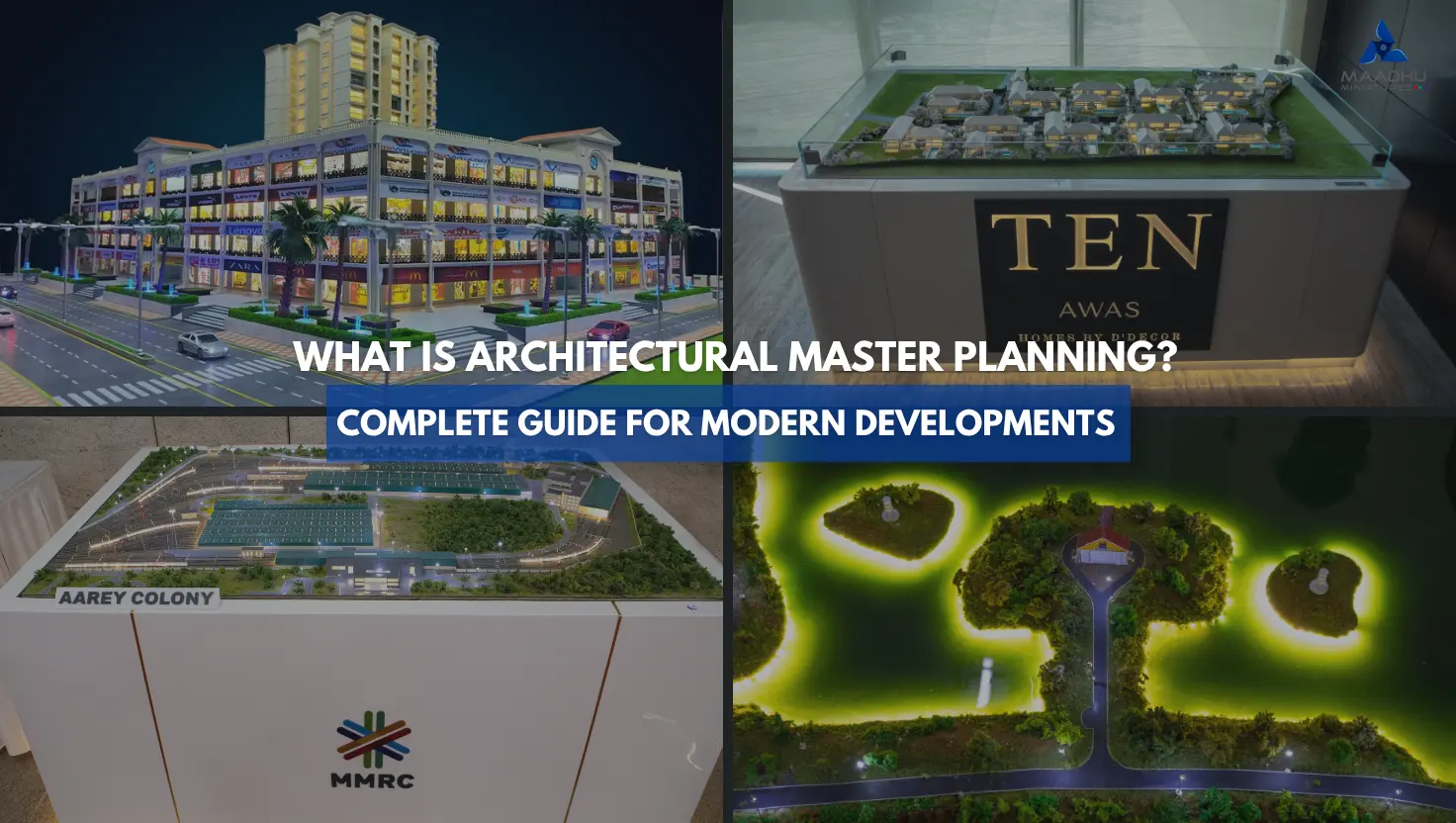
What Is Architectural Master Planning? Complete Guide for Modern Developments
Learn how architectural master planning models help architects and developers present residential, commercial, and landscape projects with clarity and...
Read More
Admin
•July 17, 2026
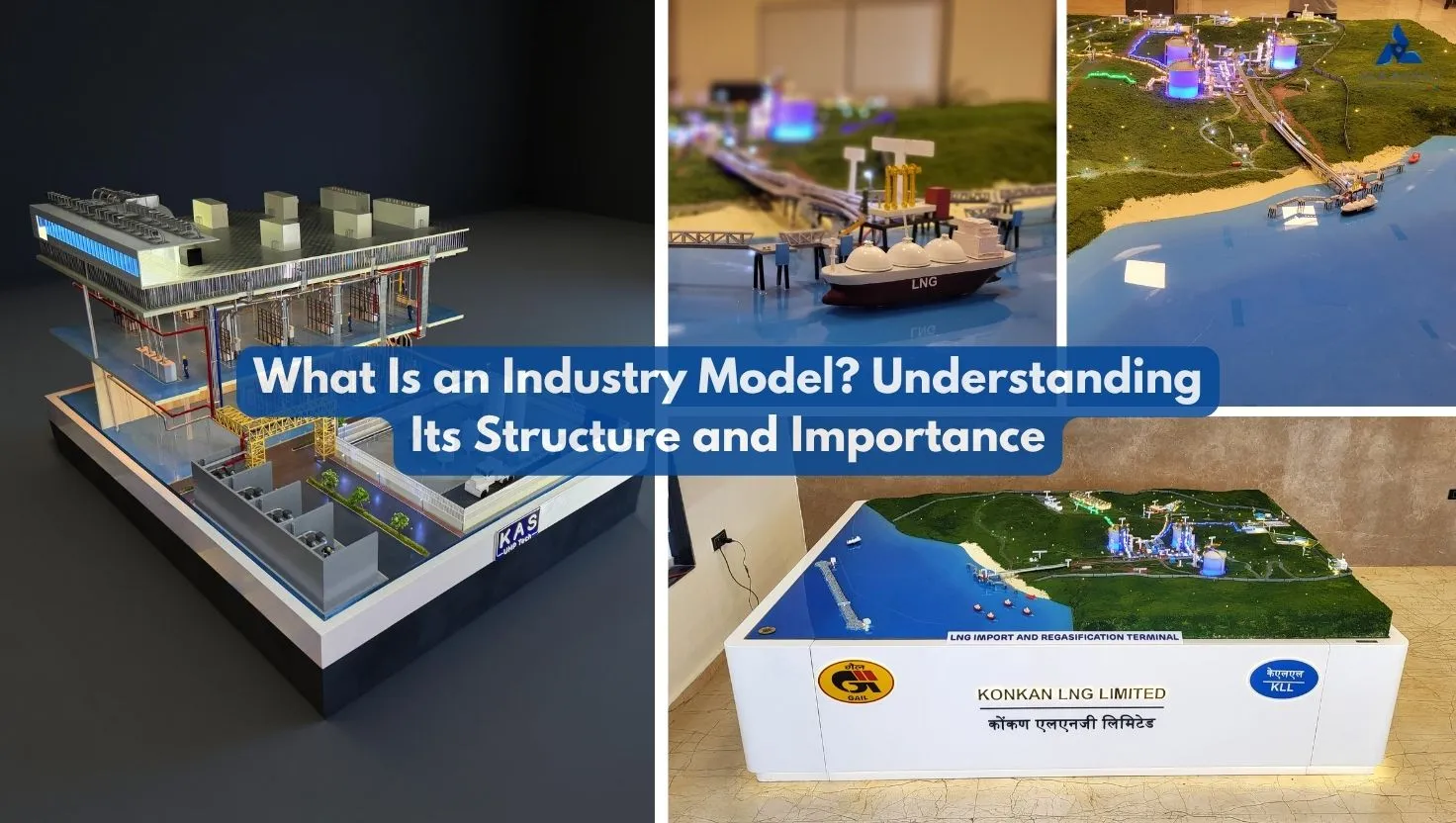
What Is an Industry Model? Understanding Its Structure and Importance
Build a stronger understanding of your market with an industry model. Explore its key components, types, examples, and benefits for smarter business d...
Read More
Maadhu Creatives
•August 24, 2026
