
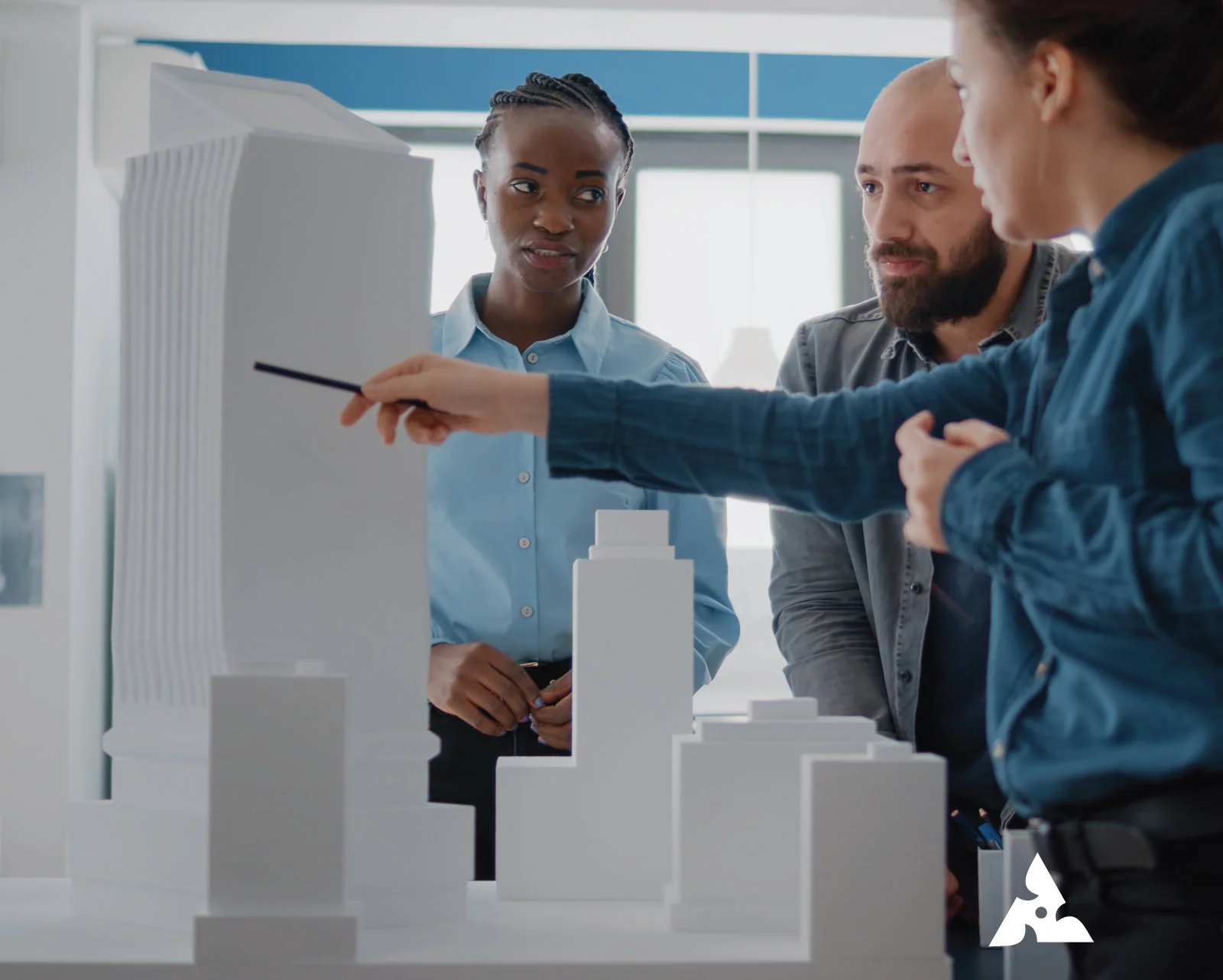
Architectural Sand Models: Everything You Need to Know About Their Purpose, Uses & Benefits
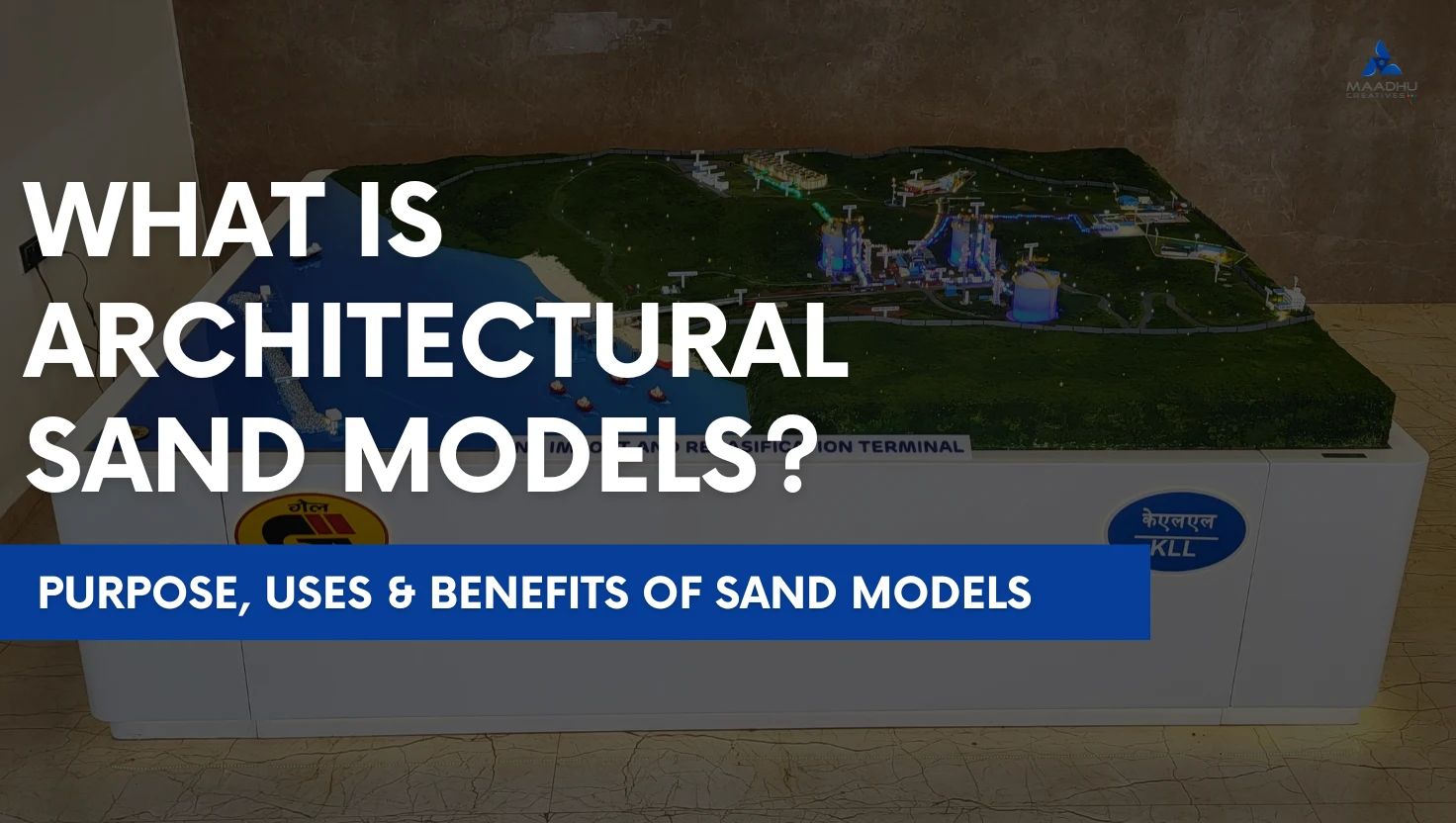
Have you ever walked into a real estate office and seen a beautiful miniature model of a building or township placed right in the middle of the room? That model, which shows every road, building, park, and open space in small detail, is called an architectural sand model. It looks impressive. It feels real. And it does something that no digital screen or printed drawing can do. It makes people stop, look, and connect with the project instantly.
Architects, builders, and city planners from all over the globe continue to use sand models to this day because of the importance of visual representation when presenting an idea or concept to clients. In this article, we will discuss Architectural Sand Models in Plain Language.
What is an Architectural Sand Model?
Architectural sand models are three-dimensional representations of buildings, homes, cities, towns, and countries made out of sand. Each architectural sand model is created by hand on the scale of the actual structure using materials such as sand, wood, acrylic, small trees, mini vehicles, LED lights, and other materials that help create realistic-looking models. It is a professional tool used by architects, builders, and government departments to show people what a project will look like before it is actually built.
A sand scale model is made to exact measurements. Every road, park, building, and open space is shown in the right place and at the right size. A sand model for architecture is easy for anyone to understand. You do not need to be an architect or engineer to read it. A normal homebuyer or investor can look at it and understand the full project in just a few minutes.
What is the Purpose of an Architectural Sand Model?

People often ask why architects and builders still make physical models when computers can show everything digitally. The reason is simple. A physical model does things that a computer screen cannot do.
It Makes Complex Plans Easy to Understand
Architectural drawings are full of numbers, lines, and technical details. Most people find them very hard to read. A physical architectural model solves this problem. Anyone can look at it and understand the full layout without any technical knowledge.
It Builds Trust With Buyers and Investors
Displaying a quality model provides the purchaser with the feeling that the project is a reality and gives potential purchasers the confidence that a serious investment is at stake. People trust what they can see and touch more than what they see on a screen.
It Helps Find Problems Before Construction
A 3D architectural model in physical form helps architects and builders find design problems before construction starts. Fixing a problem in a model costs very little. Fixing the same problem during construction costs a lot.
It Helps in Government Approvals
For big projects like smart cities and public buildings, terrain model making helps government departments understand the full plan clearly and approve it faster.
Types of Architectural Sand Models
There are different types of sand models made for different kinds of projects.
Township and Master Plan Models are large models that show an entire township or city plan. They include roads, buildings, parks, and all other parts of the project.
Real Estate Project Models are used in sales offices. A sand model for building projects helps buyers see exactly where their apartment is and what the full project looks like.
Terrain and Landscape Models depict mountains, hills, rivers, and other features of the landscape. These types of models will assist professionals and agencies in the development of major infrastructure such as roadways, bridges, and public parks.
Smart City and Urban Planning Models are used by Carrie Planners and Municipalities to assist in developing road systems, drainage systems, and public areas for new cities and urbanized areas.
Materials Used in Architectural Sand Model Making
The quality of an architectural sand model depends on the materials used. Here is what goes into architectural sand model making.
The main component of the model is sand and is what forms the ground surface, creating pathways and open areas, while also providing it with a natural and realistic appearance.
Acrylic Sheets make up the walls of buildings, glass surfaces, and bodies of water (lakes and rivers) within the model.
Wood forms the base platform. This provides a solid and stable foundation that will last a long time.
The use of mini-scaled objects such as tiny cars, people, street light fixtures, and trees helps create the model's realistic feel, thereby helping to establish a dynamic presence.
Using LEDs in and around the model will help add interest to the model and bring attention to key areas of the model while providing an outstanding effect during presentation or exhibition
Texture Paints are applied to complete the look of the roadway, buildings, and open spaces, providing them with a tidy, realistic finished product.
How is an Architectural Sand Model Made?

Making a high-quality architectural miniature sand model takes skill, time, and attention to detail. Here is how the process works.
Step 1: Study the Project Plans
Prior to commencement of any physical work, the team will thoroughly investigate the architectural drawings and site layouts of the project.
Step 2: Build the Base
Phase two represents the construction of a solid wood base upon which all the specifications that include the shape of the land and elevation will be outlined by hand
Step 3: Apply Sand and Create the Terrain
Place down sand on top of the wooden base creating surfaces that represent the actual site, asphalt roads and various land features
Step 4: Build the Structures
Buildings, roads and other structures will be constructed in acrylic and other material to the actual specifications of their real world counterparts
Step 5: Add Miniature Details
Trees, cars, people and street lights will be added to the model making it appear real.
Step 6: Install LED Lights and Final Finishing
LED lights are installed, and texture coatings are applied to all areas of the model so they will appear clean and true to their real-world counterparts and can be displayed.
Benefits of an Architectural Sand Model
Here is why a professionally made sand model for architecture is a smart investment for any builder, architect, or planner.
Strong Visual Impact
A physical model draws attention in a way no screen can match. People naturally stop and engage with it.
Easy to Understand
A physical architectural model removes the need for technical knowledge. Anyone can understand the full project in minutes.
Emotional Connection
When a buyer sees a small version of their future home, they feel connected to it. This helps them make a buying decision faster.
Competitive Advantage
Builders with high-end sand models feature prominently within the building industry. These models demonstrate a high level of craftsmanship and are capable of exhibiting high levels of skill and an eye for detail when producing their products.
Long Term Display Value
A good sand model can be kept and displayed for many years without needing electricity or a screen.
Conclusion
Architectural sand models continue to be one of the most powerful tools in architecture, real estate, and urban planning. They make projects real, clear, and easy for anyone to understand in a way no digital tool can fully replace.
If you are looking for a trusted sand model making company that delivers quality and precision, Maadhu Creatives is India's most respected name in professional scale model making with over 2,000 projects completed across 22 plus countries worldwide.Frequently Asked Questions
A physical model is a three-dimensional (3D) representation of a proposed project that helps people visualize and understand its design, layout, and overall appearance before construction begins.
Q2: Which industries use model making services?
There are many sectors such as architecture, engineering, real estate, infrastructure, marine, manufacturing, education, exhibitions, and industries that make use of model making services.
Q3: Where can I find the best model making services near me?
Maadhu Creatives offers quality services for miniature models as well as physical models throughout India and globally. No matter which place you belong to, we will definitely serve you with our model making services.
Q4: How long does it take to create a miniature model?
The time required depends on the size, complexity, and level of detail of the project. Simple models may take a few days, while large and detailed models can take several weeks.
Q5: Can you create custom miniature models based on specific requirements?
Yes, custom miniature models can be designed and built according to your project specifications, scale, design, and presentation needs for architecture, engineering, industrial, and exhibition purposes.
Related Blogs
Architect Job in Mumbai
Architectural Project Manager role in Mumbai for freshers and experienced architects. Work on CAD drawings, architectural designs, and project coordin...
Read More
maadhu creative
•July 19, 2024
Architectural Modeling Materials: 7 Choices for Perfecting Your Designs
Master architectural model making with 7 powerful materials, including foam board, wood, Plexiglas, and metal, to create realistic, durable, and visua...
Read More
maadhu creative
•August 05, 2024
