
How to Use Prototyping Models in Scale Model Making
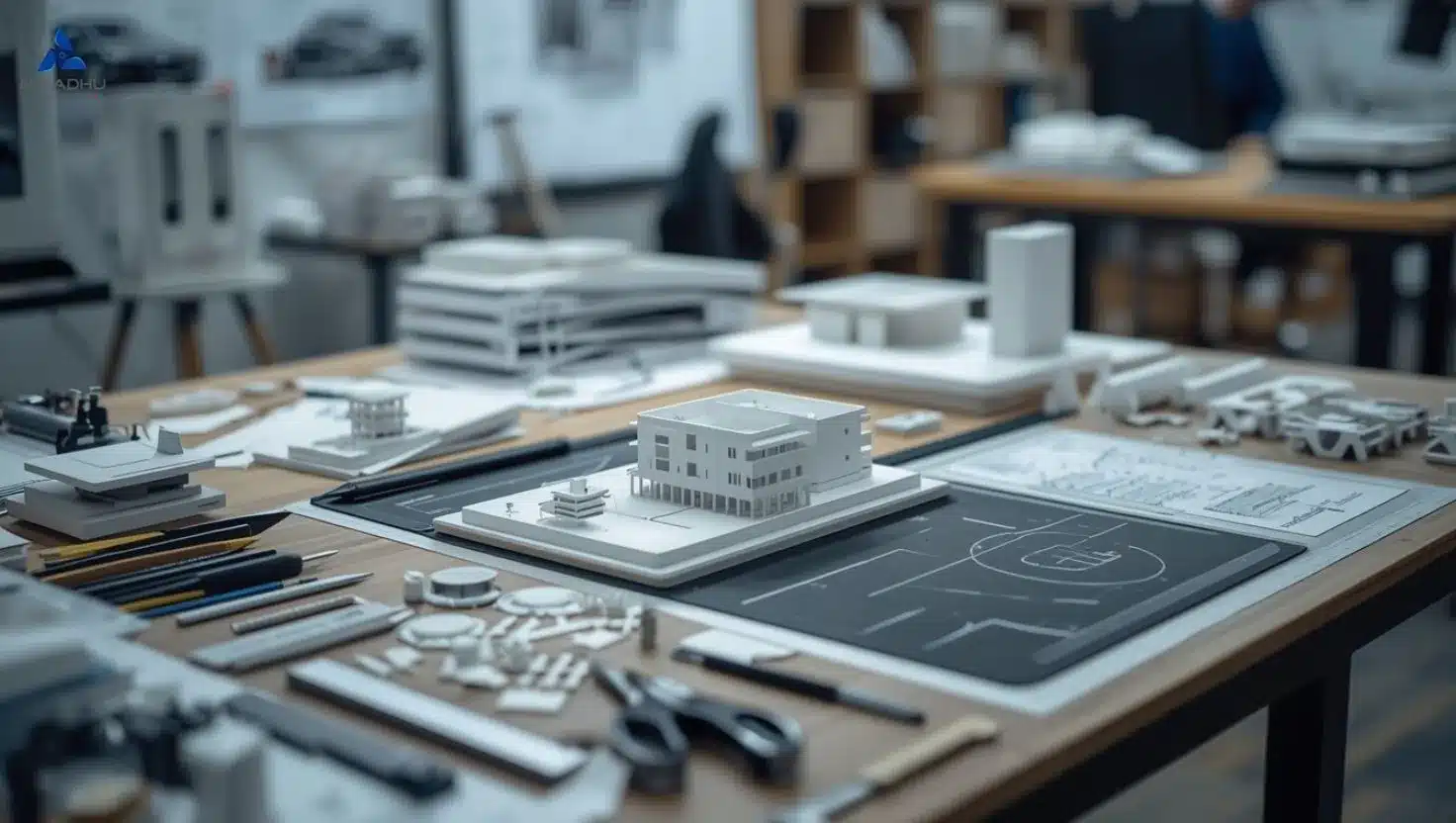
How to Use Prototyping Models in Scale Model Making
Table of Contents
Scale model creation is a craft that requires innovation with precision, as well as technical ability. It doesn't matter if you're a professional engineer or an architect student or a person who enjoys model-making for hobby purposes, prototyping models play a vital role in bringing ideas to life. Models let designers and artists visualize concepts, spot weaknesses in design, and test with the details of a realistic model prior to making a full-scale model.
In the past, prototyping was vital in the fields of engineering and architecture. For instance, Leonardo da Vinci created elaborate designs of flying machines as well as mechanical devices. Likewise, legendary architects like Frank Lloyd Wright used physical models to depict intricate building designs. These examples of historical practices show the importance of prototyping models to both accuracy and creativity.
What is a Prototyping Model?
The prototyping model is the first (initial) version of a product, structure, or object that will be built to be tested to understand how it looks, what it does, or the way it works before it is manufactured in full production. They are used in architectural scale models etc. to verify an idea or concept prior to completing final plans.
There are different ways to create a prototyped model including rapid prototyping, 3D printing, clay or sculptural modelling, and traditional hand-made methods. These different types of models allow you to experiment with the realism of the miniaturised model and create realistic looking dioramas.
Prototyping models throughout history have greatly changed the way designers design today. For example; when designing the Eiffel tower in Paris, Gustave Eiffel created a scale model of his design to test the towers design and stability prior to constructing the actual 324 metre tall structure. The same applied to the Taj Mahal, the Mughal architects used a scale model of the Taj Mahal to ensure there was symmetry and proportion in their designs for the Taj Mahal.
Why Prototyping Models Are Important in Scale Model Making
Prototyping models are essential in scale model making for several reasons:
Design Validation: Prototyping Models will allow the designer to verify dimensions, structural soundness and visual presentation before the final product is finished. This is a critical step for designers of Architectural and Engineering Models to confirm the design functionality and visual appearance of the Final Product.
Error Reduction: When creating a prototype model the designer can discover mistakes and eliminate them before the material is purchased or modified for a project. This will save a significant amount of material and time associated with manufacturing Industrial Prototypes.
Visualization: A Prototype allows potential clients, stakeholders, and hobbyists to see the proposed design in a physical model. This is critical for Architectural Models and Ship Models where spatial relationships are a key component of the design realization.
Increases Creativity: A Prototype allows the designer to experiment with textures, finishes, and realistic details; this is important to achieving realistic Hobby Scale Models.
Historical Perspective: many well-known engineering prototypes, including ship models made by the British Royal Navy in the past, used to prototype to determine how safe and sturdy ships were for sailing on an ocean. Similarly, building prototypes (models) of famous buildings such as the Colosseum in Rome helped the builder in those days understand how complicated geometry and where each seat would go would fit into the final product.
Types of Prototyping Models for Scale Model Making
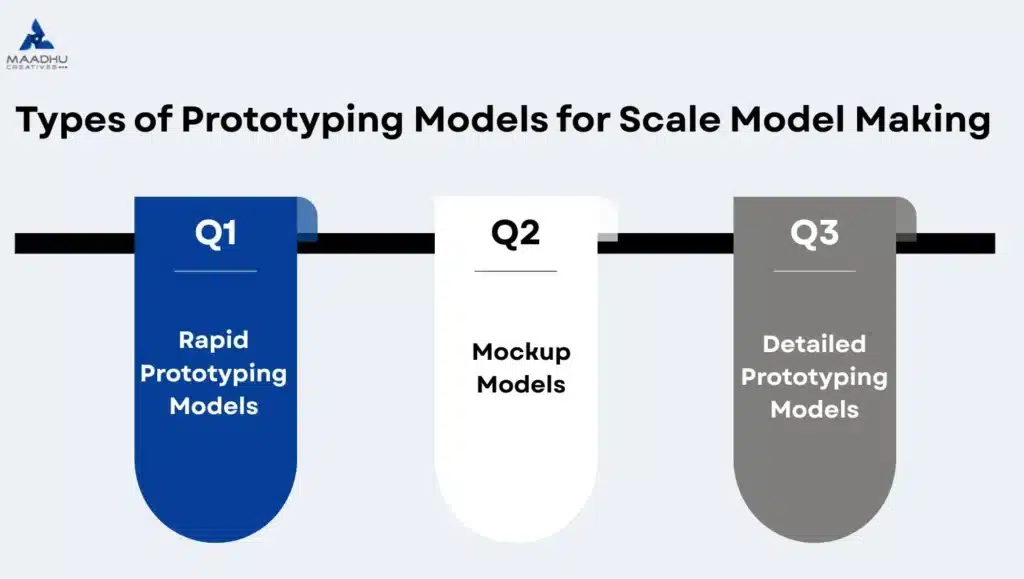
Rapid Prototyping Models
3D printing and CNC machining are two methods used to make very detailed prototypes very quickly. This type of modeling is commonly used in both industrial design and engineering. Characteristics of rapid prototypes include having the speed and accuracy to make a variety of geometric shapes for testing and to be able to view how components will function together before building them in bulk.
Many famous industrial designers such as Henry Ford used prototypes to help create vehicle designs prior to mass production. In fact, the prototypes that Ford created allowed his engineering team to determine how the orientation and design of the engine would affect the overall comfort and function of the vehicle and to avoid costly mistakes in production.
Mockup Models
Mockup models are basic versions of instruction to show size, shape and layout. Mockups are very common for architectural and interior design projects to assist in evaluating space and layout. They can be made from foam board, cardboard or plastics.
One of the most famous uses of historical architectural mockups was the mockup that was produced for the Palace of Versailles in France. The mockup allowed the architect to evaluate room sizes, orientations and ornamental detail prior to the actual construction occurring.
Detailed Prototyping Models
Models built with a focus on the small and notional design and construction are referred to as meticulous models. These models are often used in dioramas and model building which require both visual attraction and realistic representation. Examples of models that could be benefitted from this type of model building would include ships, historical structures, and elaborate industrial models. These types of models are constructed from a variety of materials such as plastic, resin, and balsa wood.
Model builders will frequently build models of the RMS Titanic with great detail to include lifeboats, deck plans, and rigging to allow others to appreciate the size and design of one of the most famous ships in the world.
Tips to Create a Realistic Model Specifics
- Techniques of layering mimic realistic textures.
- It is important to include tiny objects like railings, benches, or even signs for authenticity.
- Make use of weathering effects like paint washes to mimic the wear and tear.
- Add lighting effects with tiny LED lights that are suitable for architectural or industrial designs.
- Utilize tools that are precise such as cutters, fine sanders, as models knives, to maintain clean edges as well as precise designs.
These guidelines can assist amateurs and professionals in creating mockups of models that look incredible authenticity.
Common Applications of Prototyping Models
- Architectural Models: Examine plans for buildings, layouts and interior spaces.
- Engineering Models: Check mechanical components as well as prototypes, structures and models.
- Industrial Models: Visualize machines manufacturing lines, production lines, as well as consumer products.
- Ship Models: Ship Models Can Represent Historical Ships or Modern Vessels with Great Detail.
- Hobby Scale Models: Can Be Used for Dioramas, Miniature Vehicles, and Realistic Landscapes.
Prototyping Models Provide A Bridge Between Your Idea And The Final Model And Provide You With The Tools You Need To Customize Your Design To Produce Dioramas with Great Detail.
Steps to Use Prototyping Models in Scale Model Making
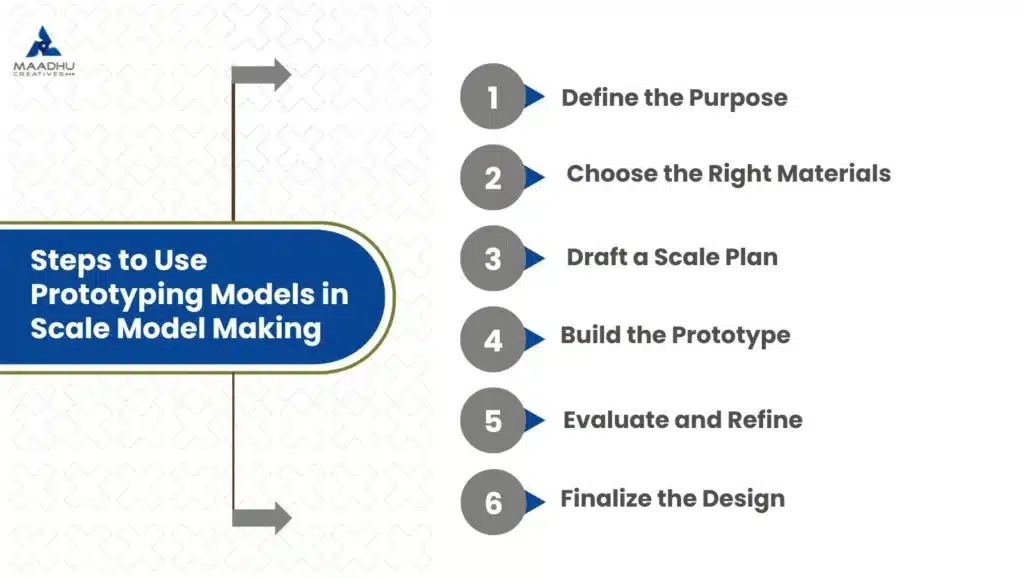
Creating an effective prototyping model requires careful planning and execution. Here is a step-by-step guide.
Step 1: Define the Purpose
Know the function that your design serves. Do you want to use it as an architectural model or as an engineering prototype or perhaps a hobby diorama? The purpose of the project is determined by its definition. It helps to determine the amount of detail, materials and methods to employ.
Step 2: Choose the Right Materials
Choose the right materials depending on the model's needs:
- Foam board, or cardboard for quick mockups
- Plastic or resin for extremely detailed prototypes
- Balsa wood for ships and architectural models
Selecting the appropriate material can affect the realistic model's details as well as the structural integrity overall.
Step 3: Draft a Scale Plan
When designing scale models, a well-developed scale plan is important in determining how to implement a precise scaling method. To find out the scale of your model based on the dimensions of the object. For instance, a 1:50 scale is commonly used for architectural models, whereas 1:700 is the norm for models of ships. A precise scale plan will ensure the correct proportions and aids in achieving miniature scale models that are realistic.
The most famous examples are the model from the Great Wall of China, that were constructed to scale when planning, to ensure exact fortifications were placed on difficult terrain.
Step 4: Build the Prototype
Begin by creating the fundamental design for your design. Utilize rapid prototyping methods when your model is composed of many components. Make sure to put together layers and components with care with a focus on realistic features like windows doors, windows, or textures. If you are creating a diorama include foliage, terrain, and other elements that will enhance realisticity.
Famous ship models, like that of the HMS Victory, demonstrate how accurate prototyping is able to capture the details such as the gun port, rigging and sails.
Step 5: Evaluate and Refine
After your prototype is completed examine it to determine its aesthetics, accuracy and function. Make the necessary adjustments prior to proceeding with the design. This step is crucial in industrial model prototyping as well as the design of architectural models.
Step 6: Finalize the Design
After testing and refinement the prototype, it can serve as a model to create the model. Make a polished version with premium materials, paints and finishes, for displays or presentations.
Advantages of Using Prototyping Models in Model Making
Using 3D printing technology to create prototypes can provide many benefits including shortening development time and expediting the production of full-sized products, providing a method for designers to accurately assess functionality and visual appeal through experience, creating better quality projects through checking for miniature-size accuracy, allowing designers to test their designs using a small-scale representation of what they want to achieve through prototyping, and improving the quality of designer presentations and the approval process when using prototypes with their clients.
Historically, prototyping in architecture has included creating buildings like the Parthenon, which provided a way for architects and builders to refine the placement of columns and their proportional relationship to one another. The advent of mass-produced products in today's world has had a dramatic impact on the efficiency of mass production through the use of prototypes as demonstrated by the first Ford Model T.
Conclusion
There are numerous benefits for both amateurs and professionals who are using prototyping in modeling for different kinds of models like industrial, engineering, architectural and ship models. Prototyping helps you imagine your thoughts, improve your designs, and include real-world features to models. Utilizing rapid prototyping, and planning your miniatures and paying an eye for detail in the functional aspects of the model as well as its aesthetics, you will be able to make both attractive and functional miniatures.
Historical examples from Leonardo da Vinci, Gustave Eiffel, and Frank Lloyd Wright demonstrate the long-standing value of prototyping. Prototyping models transform abstract concepts into tangible, precise representations, making every scale model project a successful blend of creativity and technical accuracy.
Thanks for reading
Share via social media Instagram Facebook Twitter LinkedinFAQs
What is the difference between a prototyping model and a final model?
A prototype model is a prototype designed to test functional and design, while that final version is a model that has been polished to be used for presentation, display or production.
Can rapid prototyping be used for hobby scale models?
Yes, Rapid prototyping is a great option for those who are looking to build exact, detailed models fast. It can help create real-looking model details and intricate geometries quickly and easily.
How do I make my prototyping model look more realistic?
Focus on layering techniques, miniature accessories, weathering effects, and accurate scaling. Attention to fine details enhances miniature model realism and diorama realistic effects.
How do prototyping models help reduce project costs?
Prototyping models help find design mistakes, size problems and assembly issues before the production starts. By spotting these problems prototyping models can change the design cut down on wasted materials stop extra rework and control project costs better.
Which materials are best for creating a scale model prototype?
Materials depends on the purpose of the model the detail needed and the budget. For concept models, foam board and cardboard are useful. For detailed prototypes, acrylic, plastics, resin and 3D‑printed parts can be used. Materials chosen should also consider how durable the prototype will be, its finish and the design needs.
What is the difference between a 3D-printed prototype and a scale model?
A 3D‑printed prototype is made by manufacturing and is used to test a design, shape, fit or function. A scale model shows an proposed object, at a specific size. Although 3D printing can make scale models scale models can also be made from acrylic, wood, metal, plastic and other materials.
Related Blogs
Industrial Plant Models: Scale Models for Better Planning
Bring complex industrial plans to life with detailed scale models designed for better planning, clear visualisation, and effective project presentatio...
Read More
Maadhu Creatives
•August 12, 2025
Piping Model-Making: Types, Materials & Industrial Uses | ACE Model
Learn piping model-making, including types, materials, and industrial uses. Discover how accurate piping models improve design planning, efficiency, a...
Read More
maadhu creative
•December 14, 2022
Concept Model Making: How Ideas Turn Into Reality
Learn what concept models are, why they matter, and how they turn ideas into reality. Explore types, benefits, applications, materials, and the concep...
Read More
maadhu creative
•November 29, 2025
