






Architectural Scale Model
Architectural 3D Model Makers / Architecture Layout Model / Architectural model Making / Architectural miniature model / 3D Architectural Model / Architectural Model Making Experts
“God is in the details”–Ludwig Mies van der Rohe
“In the miniature universe of Architectural models, even the smallest detail holds the promise of grandeur”
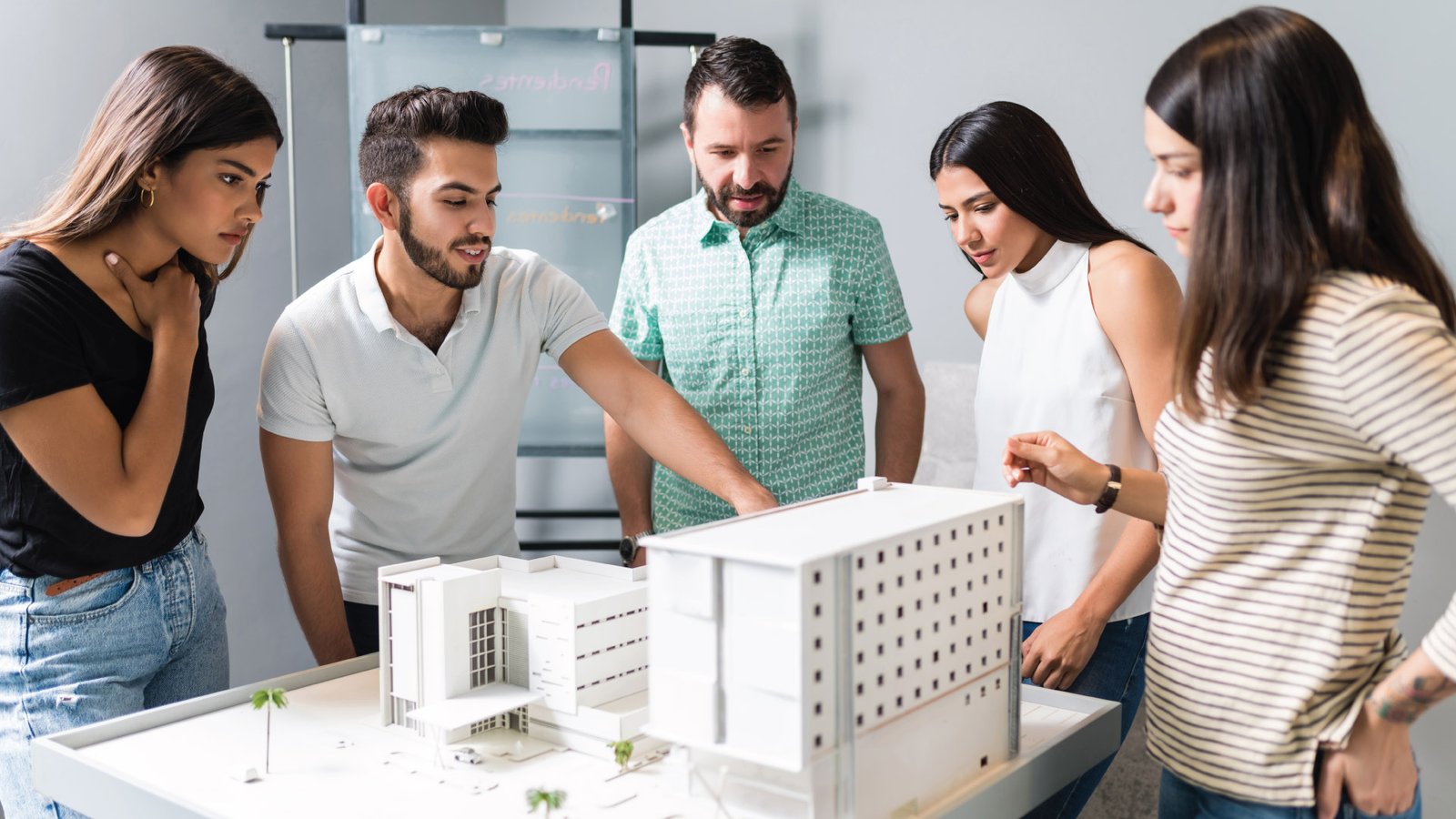
Architectural models play a crucial role in bringing architectural designs to life. These models are essential tools for architects, designers, and clients to visualize and understand complex structures.
Whether it’s a 3D printed architectural model or a traditional physical model, architectural modeling is a blend of art, science, and engineering. This page will explore various types of architectural models, materials used, and the technologies that have revolutionized this field.
Category of Architectural model
Architectural Exterior Model
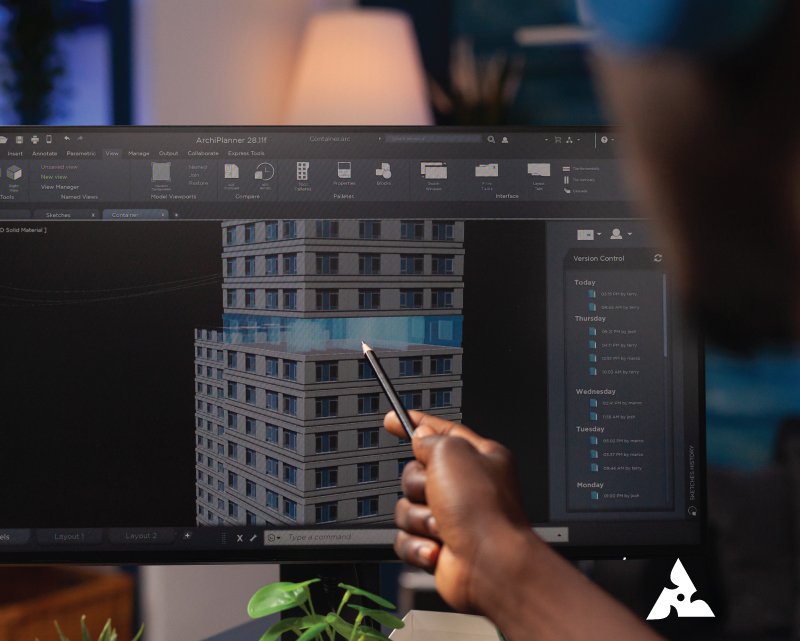
An Architectural Exterior Model is a type of 3D visualization that accurately depicts the shape and functionality of an architectural design. An exterior model allows users to see what their finished building will look like by providing a realistic view of its exterior, as well as the landscaping, lighting, and environment surrounding it, before construction begins.
A 3D architectural exterior rendering helps connect a designer’s concept with the finished building by enabling construction professionals, developers, and real estate agents to effectively market and showcase projects prior to building.
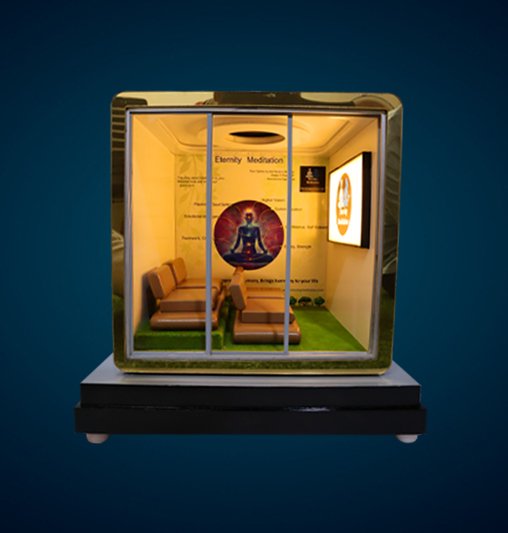
Architectural Interior Model
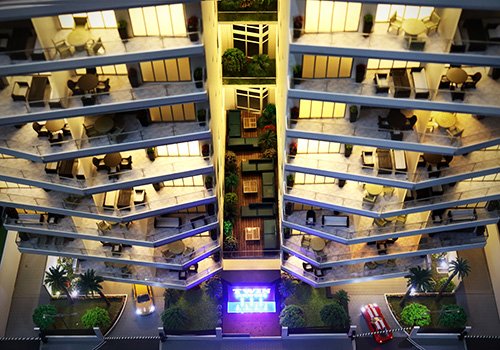
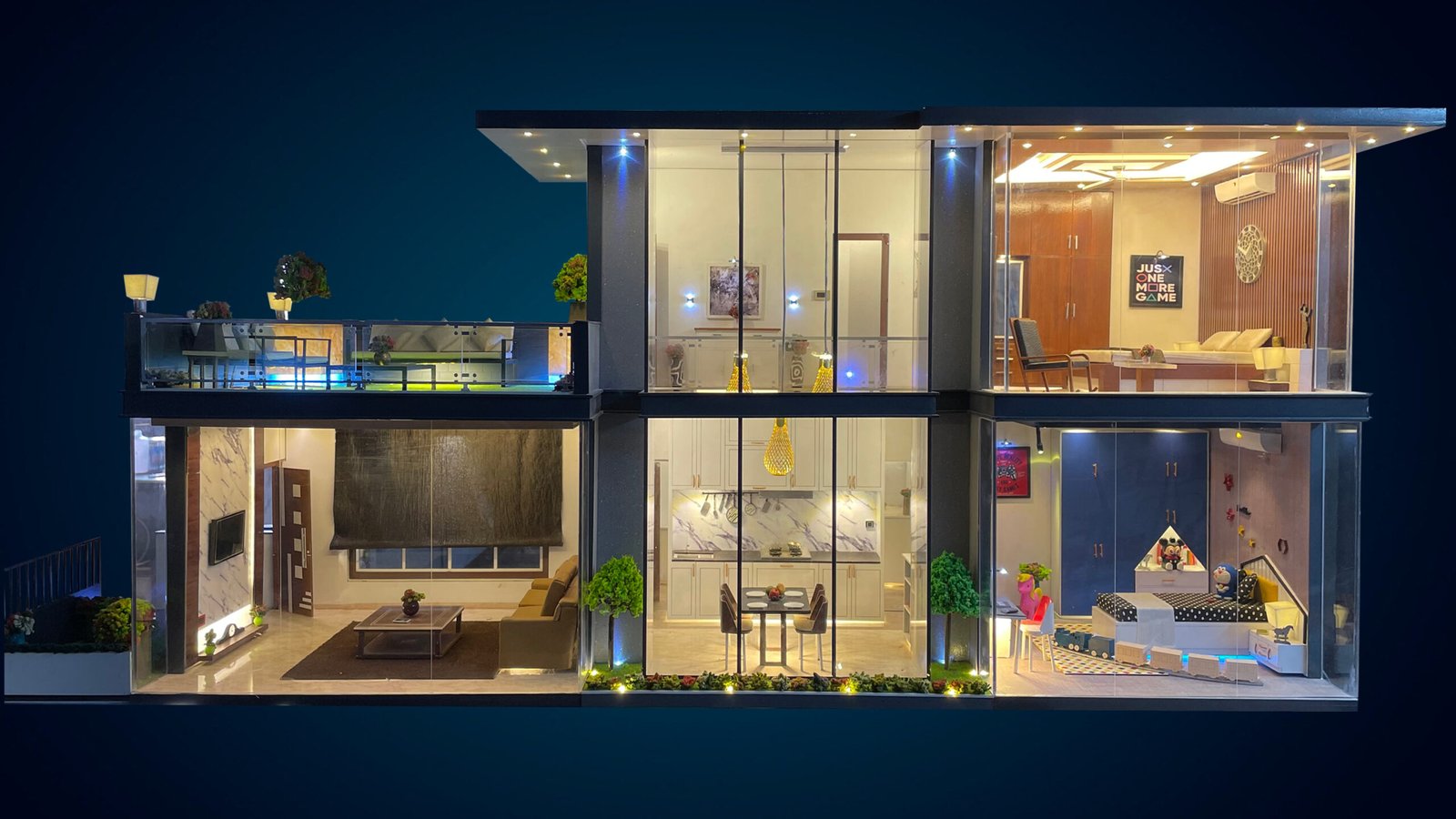
An architectural interior model is a detailed 3D representation of interior spaces that highlights the layout, spatial planning, furniture, materials, lighting, and interior design elements of a project. It provides a realistic preview of how an interior will look and function once completed.
The Architectural Interior Model can be used as a design tool for architects, designers, and Builders to clearly communicate their Design concepts and to help Clients clearly visualise how the completed Interior of the Building will look, work, and function after the Building has been constructed or renovated.
Architectural models portfolio
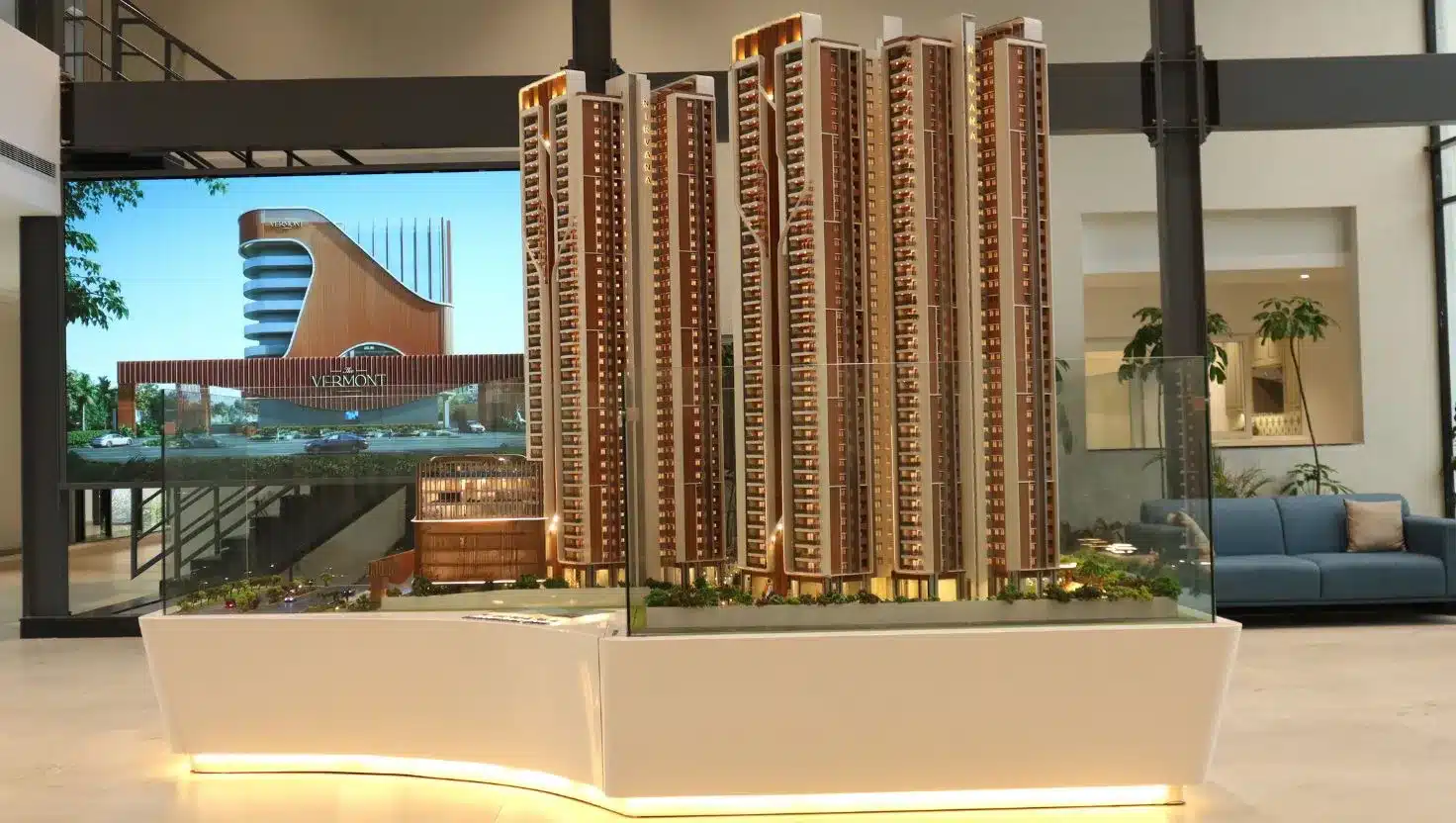
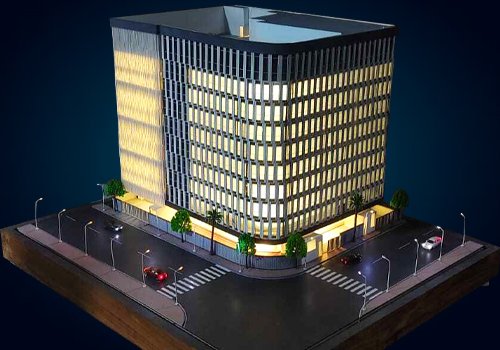
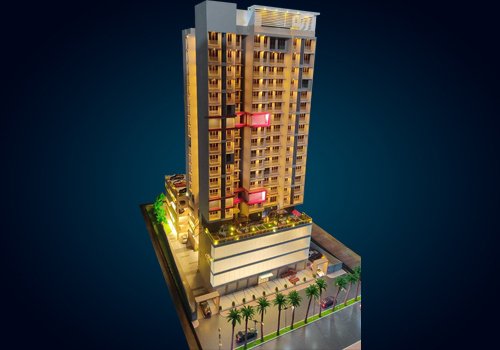
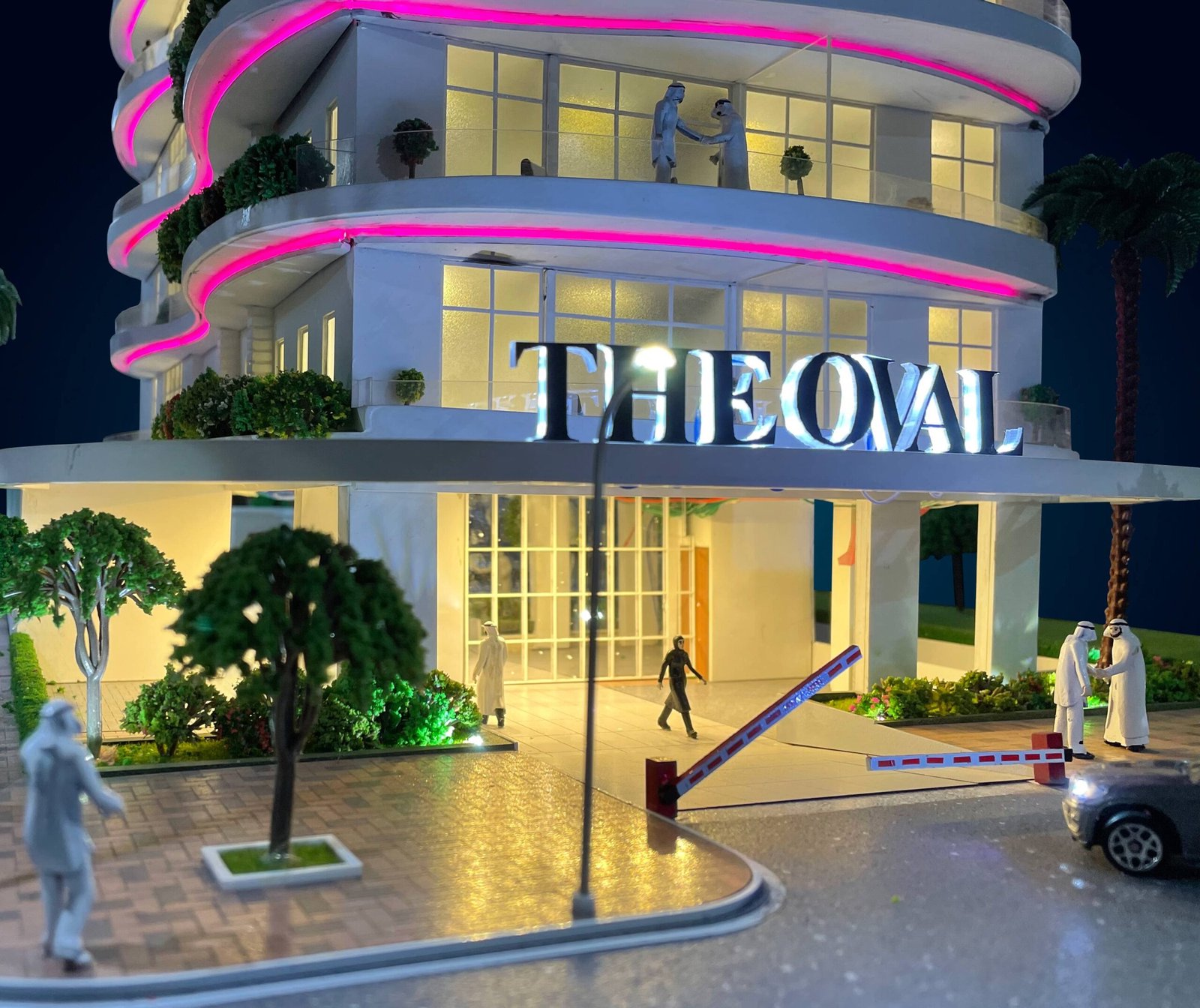




Types of Architectural Model
Conceptual Models
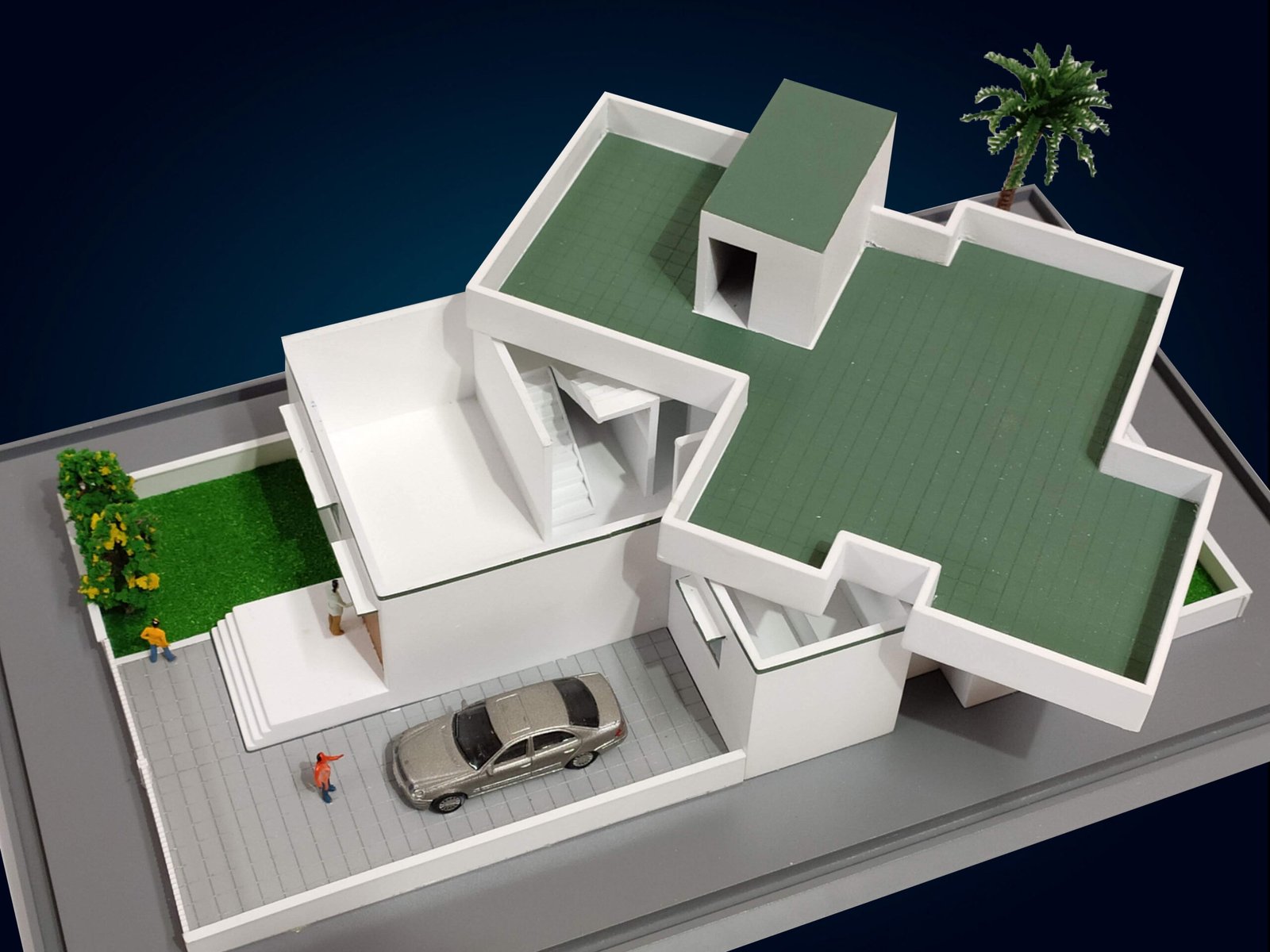
Architectural Conceptual Models are produced during the initial stages of the design process. They are used to both elicit and communicate an architect’s early concept of the project. Conceptional Models will generally be simplistic and emphasize a building’s general form or shape, as well as the relationship between its massing and space.
Site Models
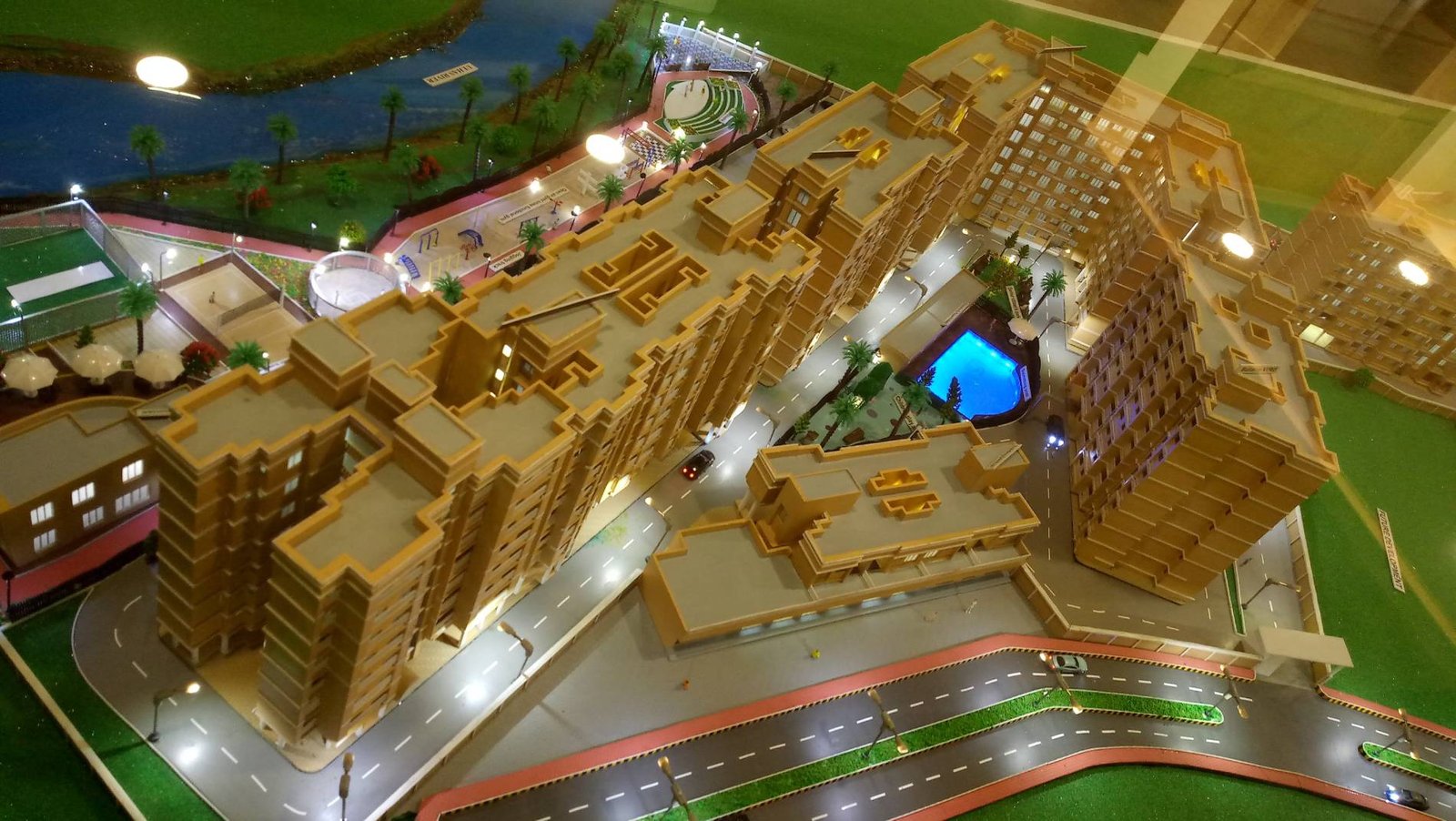
Architectural Site Models show the building’s position in relation to its surrounding environment. They illustrate nearby buildings, landscape/site design, roadways, and any existing terrain features to develop an understanding of how the project will fit into its surroundings.
Building Exterior Models
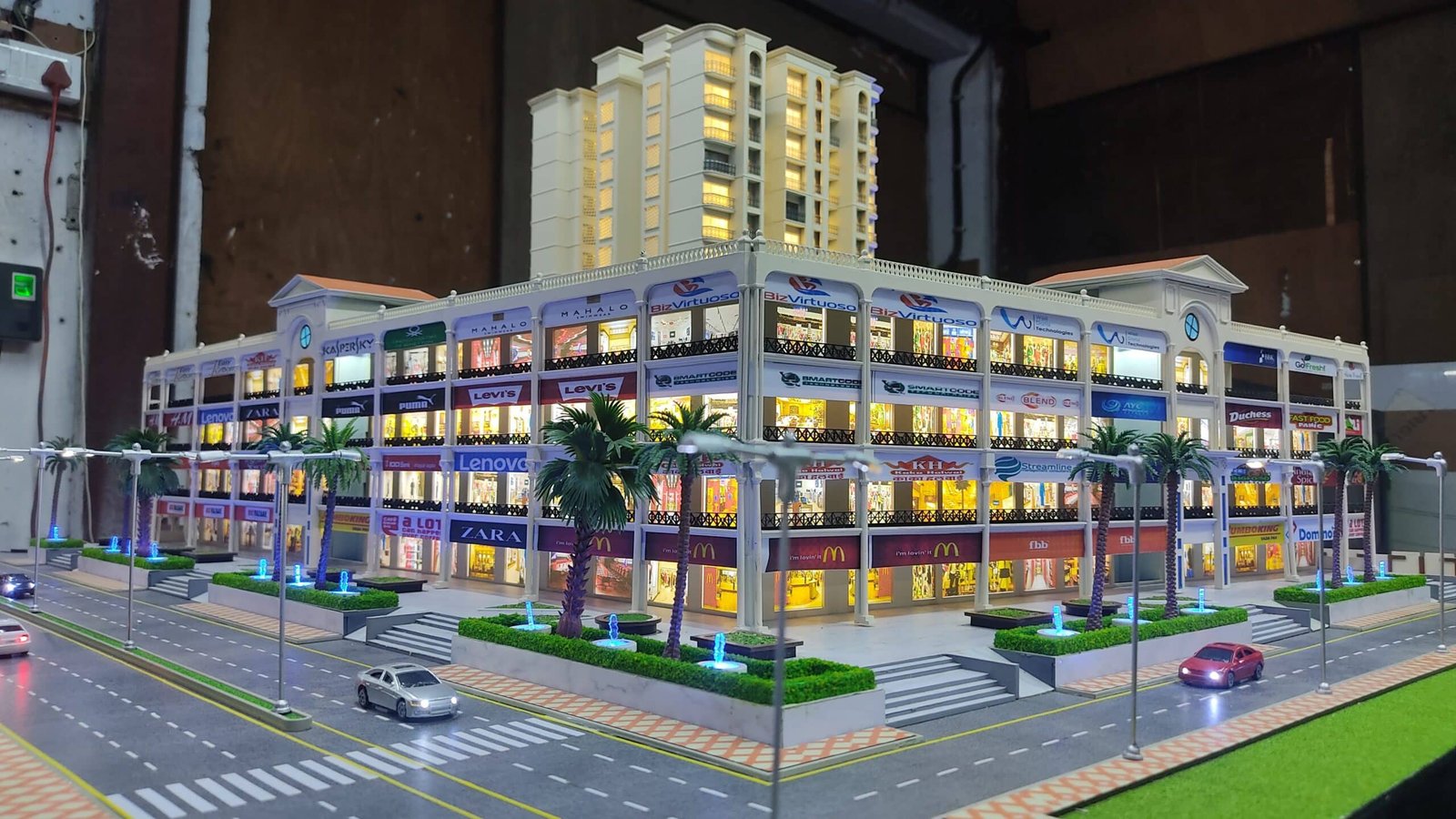
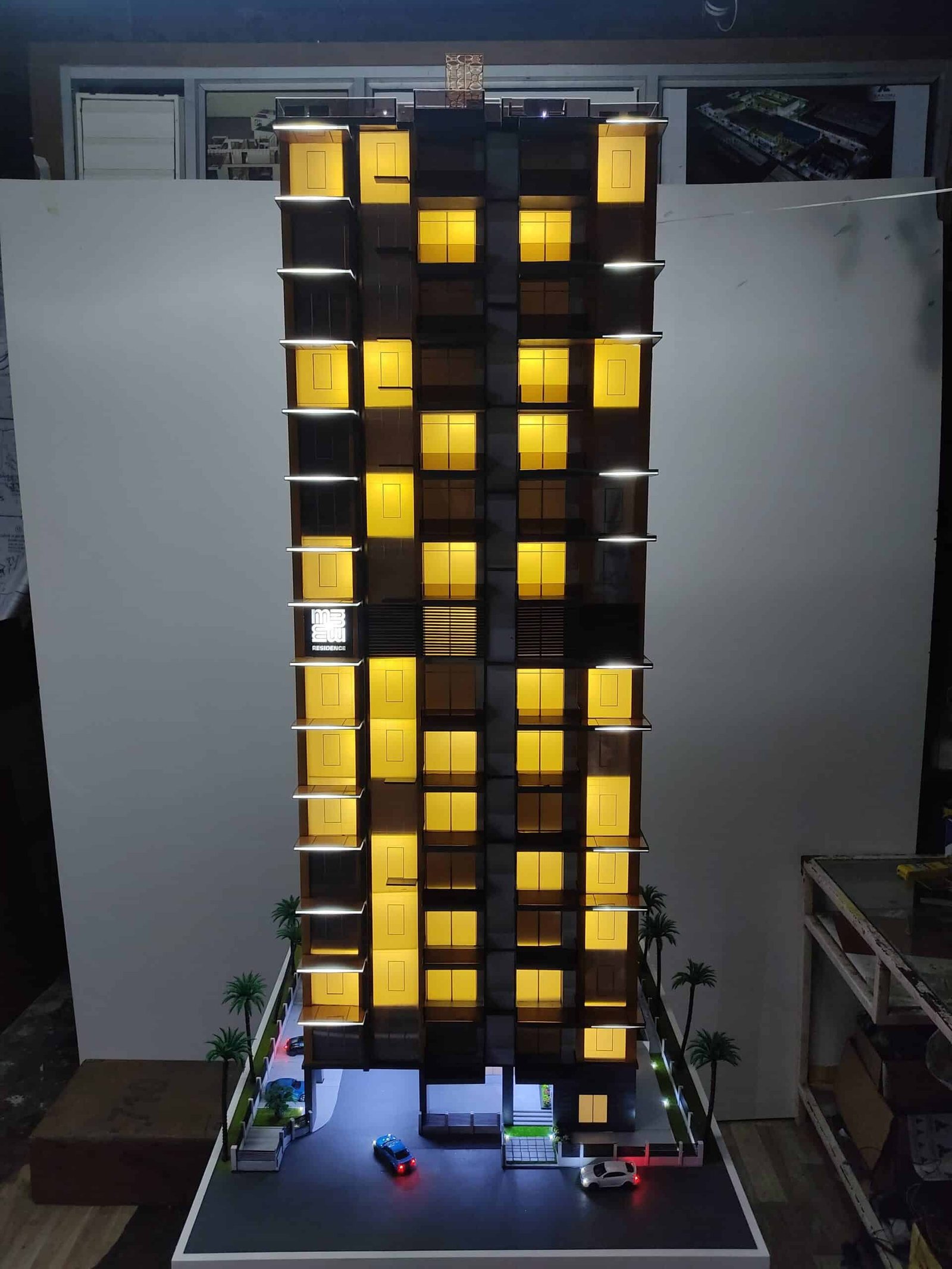
Architectural Building Exterior Models illustrate how the building’s exterior will appear, including the materials from which it is made, the textures of those materials, and the architectural detailing of the exterior. They are often used to present the building’s design style. Utilizing them during a client presentation or as part of marketing for a Real Estate project, to give clients an idea of what the finished building may look like.
Building Interior Models
Architectural Building Interior Models focus on the layout and placement of spaces inside the building. They help designers and clients visualize the design concept and maximize the functionality of the interior space before construction.
Urban Planning Models
Urban planning architectural models represent larger-scale developments such as city blocks, districts, or entire neighborhoods. They support urban design, master planning, and infrastructure planning by illustrating how buildings relate to each other and their surroundings.
Structural Models
Structural architectural models visually depict the structure of the architectural system, such as load-bearing structures including columns, beams, slabs, and frameworks, along with an explanation of how the architectural structure was created and how it supports and maintains the structural stability of the building.
Detailed Scale Models
Models of detailed scales represent the final product, with a very high precision and realism. The model includes windows, doors, textures, façade details, and landscaping elements.
Presentation Models
Models of presentation are produced at a very high quality and are intended to be used in client meetings, exhibitions, competitions, and marketing. The focus of models of presentation is to provide an exceptionally clear picture of the design and how it would look to a potential user.
FAQ's
If this is your first time seeking an Architectural scale model-making service, you likely have some questions. Read on to learn more!
Common Architectural Model materials include wood, plastic, foam, cardboard, and sometimes 3D-printed components. The choice of material depends on the model’s purpose, required detail, and budget
The time required can vary widely based on the model’s complexity and size. A simple conceptual model might take a few hours, while a detailed presentation model could take weeks or even months.
Scales can range from 1:10 to 1:500, depending on the project’s needs. Larger buildings are usually represented in smaller scales (e.g., 1:200), while detailed interior models might be built at a larger scale (e.g., 1:50).
High-quality models are usually very accurate and are built to precise measurements based on architectural drawings. They can effectively represent the dimensions, proportions, and layout of the actual building.
The cost varies greatly depending on the model’s size, complexity, materials used, and the level of detail required. Prices can range from a few hundred dollars for a simple model to several thousand dollars for a highly detailed, large-scale model.
LET'S CONNECT !!!
Contact Maadhu creatives & We’re here to help you grow your business.