
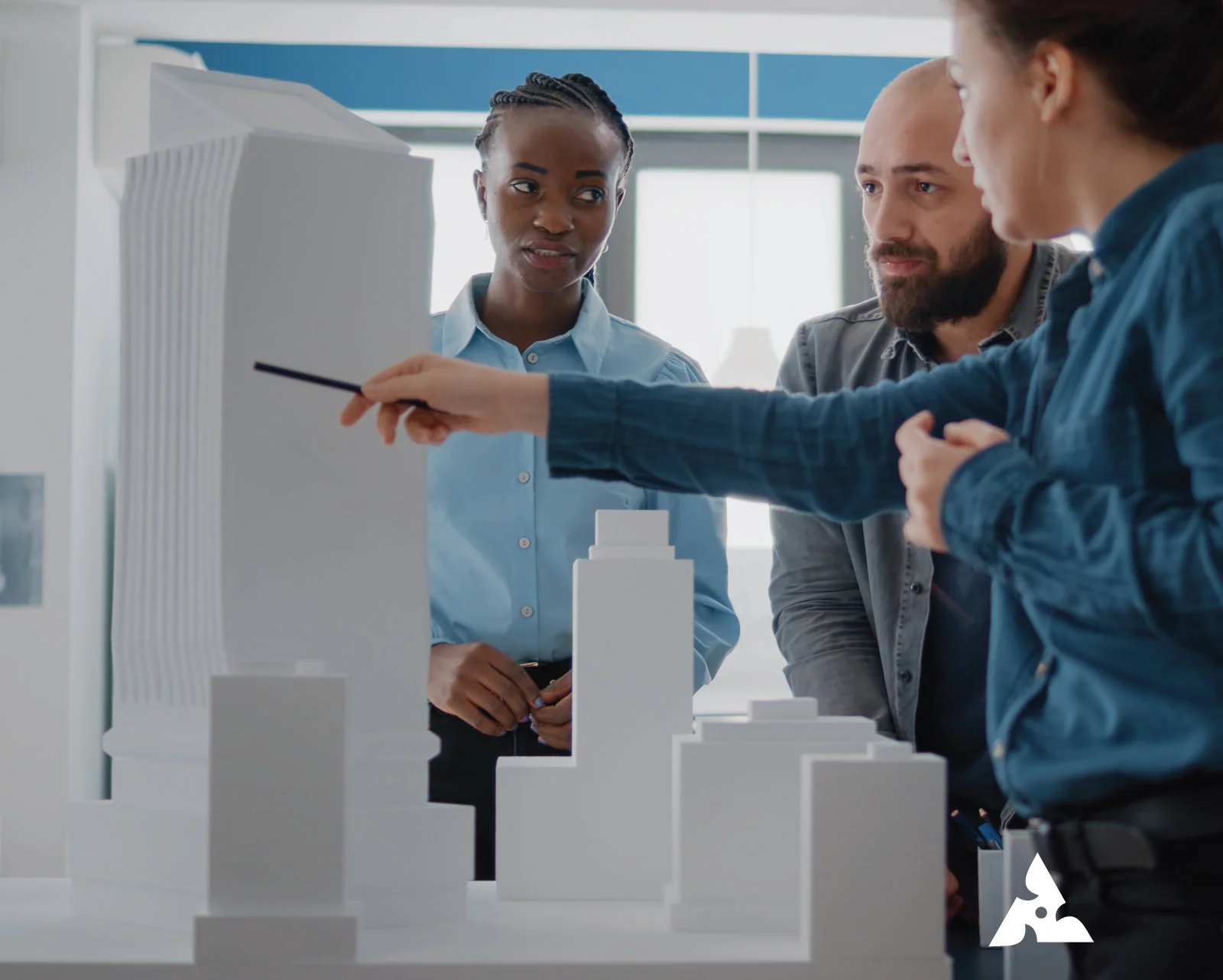
Professional Architectural Model Making for Accurate Visualisation
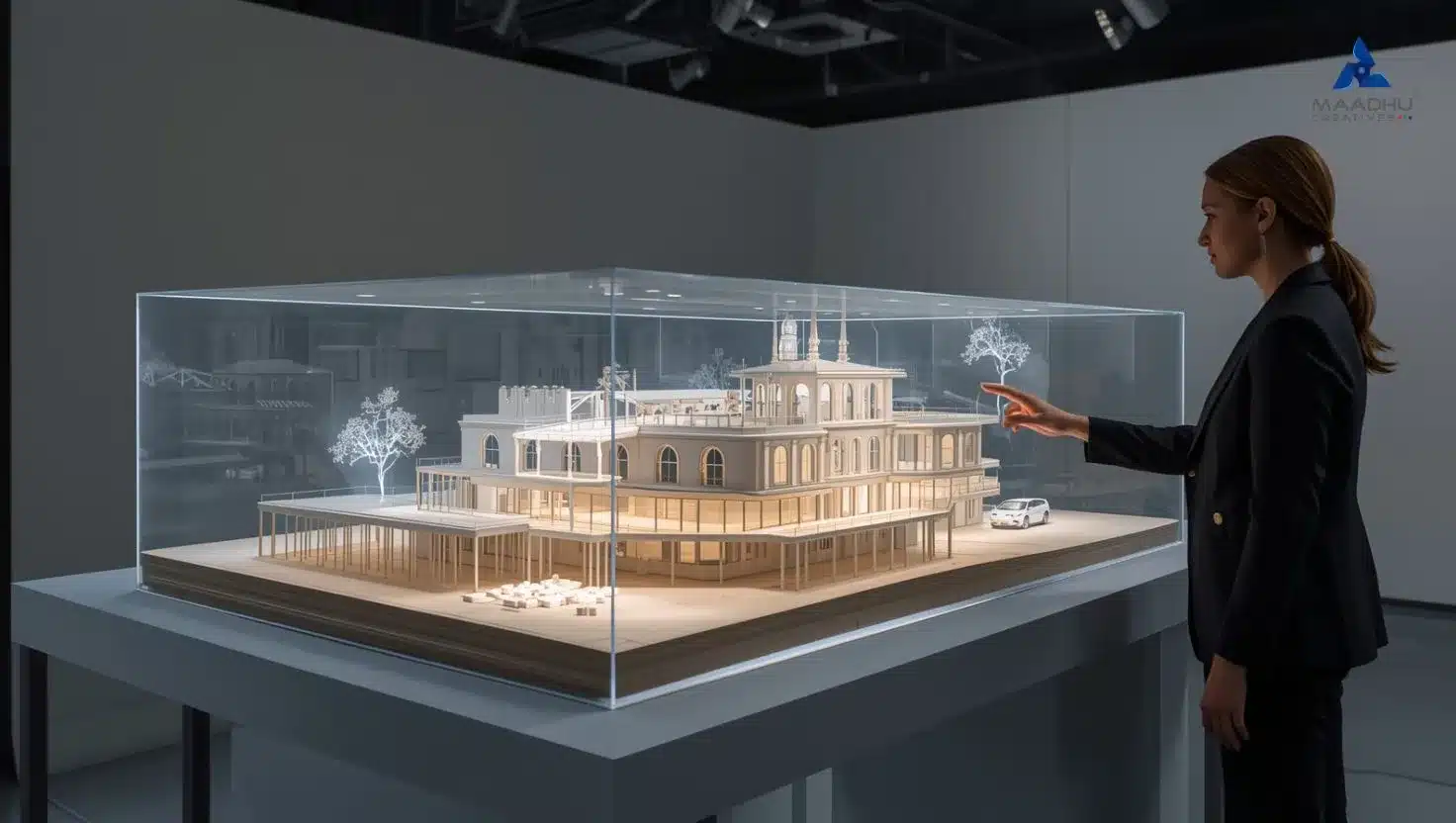
Professional Architectural Model Making for Accurate Visualisation
Table of Contents
Introduction
Effective communication through visuals is crucial in the real estate and architecture industries today. Architects, developers, investors, and the public need to easily interpret a proposed building's design, and architectural modeling provides them with that ability. Architectural models provide an accurate representation of design intent through 2D and 3D images of completed designs, allowing clients and other interested parties to picture what the project will look like when finished.
Professional, handcrafted architectural models allow for accurate visualizations of the design and thus provide better clarity and direction between the architectural community and all other participants in the development process. There are still many occasions when the physical model is the most convenient way to visually express an architect's vision, even with advanced computer technology such as 3D architectural design and 3D architectural visualization.
A Brief History of Architectural Model Making
Since ancient times, architects have been creating models as a way of visualizing their building designs prior to construction. Ancient civilisations such as Egypt, Greece, and Rome all created scale models of their buildings in order to help them understand how the buildings would look and work together. During the Renaissance, architects would create physical models that were used to explain to both clients and government representatives the way their plans would be realised as buildings. Today, architectural model making is still an important part of the successful creation of an accurate architectural visualisation, combining the old craftsmanship techniques with today's technological tools such as 3D models and computerized cutting systems.
What Is Architectural Model Making
Architectural model making involves building small-scale physical versions of architecture (e.g., building, room, or development), which include correct proportions, layouts, elevations, materials, and immediate surroundings. An architectural model also depicts how a project would be portrayed and function physically before construction begins.
A professional architectural model maker uses precise tools, advanced techniques, and extremely high-quality materials to match every detail with its corresponding architectural drawings. Therefore, professional architectural-quality models are used for architectural, real estate, urban planning, and infrastructure developments.
Why Accurate Architectural Visualisation Is Important
The foundation of successful architectural communication relies on the accuracy of architectural visualization. Non-professionals often have difficulty interpreting floor plans and technical drawings. The limits of digital screens limit both depth perception and a true understanding of scale, whereas a physical architectural model provides a three-dimensional presentation of the design and answers these problems.
Accurate architectural visualization will enhance client confidence, reduce misunderstandings, and hasten the approval process. If stakeholders understand the building's layout, scale, and how it relates to its surroundings, then conversations will be more productive, and decisions will occur more quickly.
Role of Architectural Models in Design Development
Architectural models are not just presentation tools, They are very useful in designing architectural models. They are conceptual models that allow architects to analyze massing, form, and spatial relationships, as well as refine façade, circulation, and proportion through the design process.
For large projects, building scale models provides the ability to visualize the way many structures will interact with each other and their environments. They also provide an opportunity for greater coordination between architects, engineers, and planners, which can ultimately improve the design process and reduce the chance for errors during construction.
Architectural Model Making and Digital Visualisation
The increasing use of digital tools, including 3D architectural design and 3D architectural visualization, has brought about a shift in how architectural models are created. Digital tools make it easy to develop new designs and render them correctly in a timely fashion and to easily provide virtual walk-throughs of the design in progress. Despite this, the value of physical architectural models still cannot be overstated.
Physical Models Provide A Tangible Sense Of Scale And Depth. By walking around a physical model, Clients Can Get A Good Sense From Many Different Vantage Points Of The Spatial Relationship Between The Elements Of The Design. Many Designers Are Now Using Both Methods Digital Visualization During The Design Phase And Architectural Models For The Final Presentation And Marketing.
Types of Architectural Models
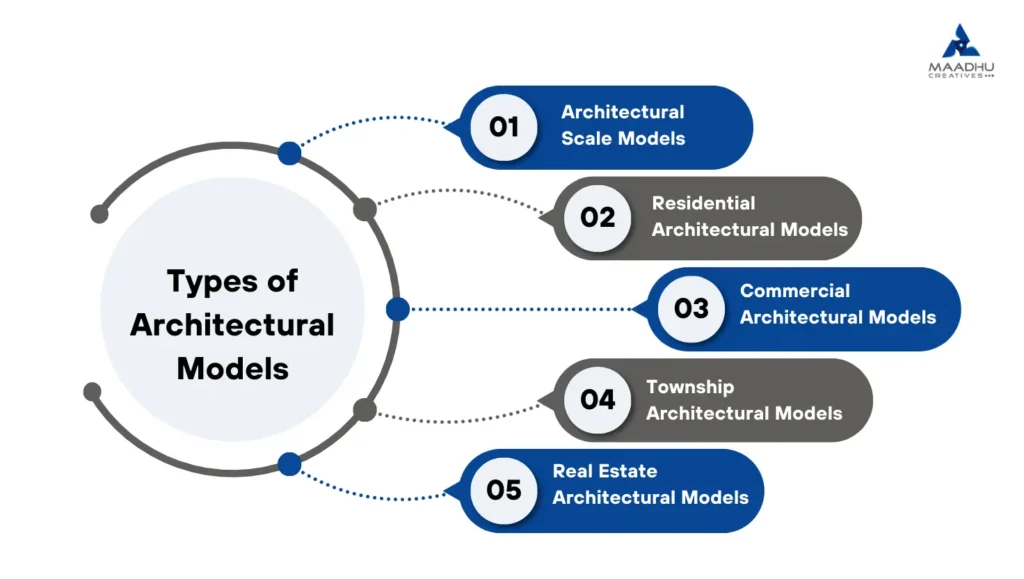
Architectural Scale Models
Scale models for architectural purposes are extensively employed to accurately represent buildings at a particular size. These models concentrate specifically on the proportions of structures, their structure, and overall design. They are often used in the presentation of designs, competitions, and even for approvals.
Residential Architectural Models
A residential architectural model shows houses, villas, apartment constructions, and housing projects. These models aid buyers in understanding layouts, open spaces, and amenities, which makes them extremely effective in real estate marketing and sales.
Commercial Architectural Models
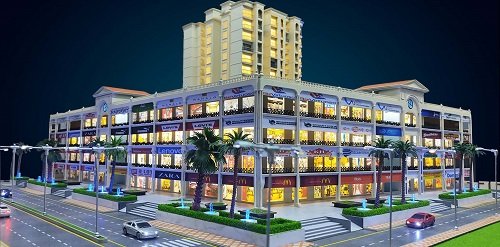
Commercial architectural models represent the design of shopping complexes, offices, hotels, and mixed-use developments. These models emphasize efficiency and circulation, as well as the architectural style, allowing tenants and investors to see the building clearly.
Township Architectural Models
The large-scale development requires township architectural models that show master plans, infrastructure, roads, green spaces, and zoning. These models are often used in public consultations, as well as for government approvals.
Real Estate Architectural Models
A real architectural model of real estate is created to attract investors and buyers. They are attractive visually and usually contain landscaping, lighting, and the surrounding environment to improve the appearance of showrooms and sales offices.
Materials and Techniques Used in Architectural Model Making
The materials used in professional architectural model making will vary depending on the intended use and size of the model. The most common materials used for architectural models are acrylic, MDF, wood, foam board, styrene, and resin. Modern methods such as laser cutting, CNC machining, and 3D printing allow architectural models to be created with high accuracy.
An experienced architectural model maker uses both traditional building techniques and advanced machinery to develop architectural models. It is essential that an architectural model maker pay attention to the smallest details, produce models quickly and accurately, and provide the highest quality possible for the scale at which the model is being created.
Benefits of Professional Architectural Model Making Services
Professional architectural model-making services provide a number of benefits to architects. The architectural model makers who have been trained in architectural drawing and scale presentation and understand how to choose the proper materials for the construction of the architectural model will provide a combination of the best materials to create a high-quality, best-in-class, beautiful, durable, accurately sized model.
Professional architectural model-making services provide architectural models for all types of projects. Professional architectural model-making services allow architectural models for use in client presentations, exhibitions, and marketing campaigns to be produced faster and more reliably.
Architectural Models in Real Estate Marketing
Real estate is a complex business, and the visual appearance directly affects buyer choices. A top-quality architectural model for real estate makes an impression that is memorable and creates confidence. Buyers will be able to clearly view layouts of the units, connectivity, and large spaces.
Commercial and residential developers employ architectural models to present complex projects clearly. They remain among the most efficient tools used for advertising real estate, particularly at exhibitions and launches of projects.
Use of Architectural Models in Urban Planning
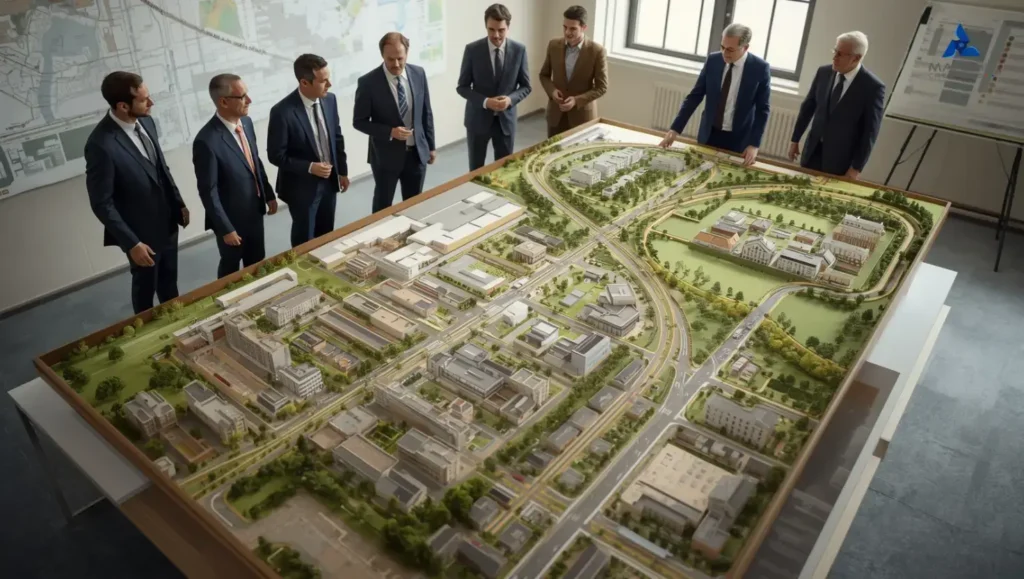
Urban planners and officials depend on modeling at a building scale to evaluate massive developments. These models assist in assessing the use of land traffic flow, land use, and environmental impact better than drawing alone.
Architectural models can also enhance the communication between developers and planners, as well as the general public, resulting in more understanding and more efficient approval procedures.
Future of Architectural Model Making
Architectural models continue to improve with advances in technological advances. The future is in hybrid models, which combine physical structures with digital components like lighting, projection mapping, and interactive elements.
Despite the advancements in technology, however, the need for accurate physical visualization is still high. Architectural models are an important tool for architects and real estate as well as urban planners.
Conclusion
A professional architectural model that allows for accurate visualization is an effective method to communicate ideas for design efficiently and clearly. An architectural model that is well-crafted enhances presentations, helps in making confident decisions, and enhances the success of projects.
Architectural scale model of residence, commercial, and township models. Physical models bring plans to life in ways that digital tools aren't able to substitute for. When you choose professional architects as model makers and trusted architectural model-making solutions developers, architects can present their ideas with clarity, accuracy, and the impact they need.
Recent PostsFrequently Asked Questions
Q1: What is architectural model making?Architectural model making involves physically producing accurate representations of design proposals for buildings, using precise measurements and materials. Architectural models are used for preparing presentation materials used in meetings with clients, as well as for planning, developing, exhibiting, and marketing properties through real estate channels.
Q2: What are physical models in architecture?Physical models provide the user with a realistic three-dimensional visualization of the proposed project. By presenting the project visually in a three-dimensional format, physical models allow users to see and experience all of the components of the project at once, allowing for easier understanding of the sizes, locations, and proportions of the components in relation to their placement within an overall design context.
Q3: Who Requires the Services of Professional Architectural Model Makers?Architects, developers, contractors, and Urban Planners typically use professional architectural model makers to ensure their designs will be accurately represented, easily communicate their design ideas to prospective clients or investors, and provide potential clients or investors with a high-quality marketing tool that allows them to visualize their projects.
Thanks for reading
Share via social media Instagram Facebook Twitter LinkedinRelated Blogs

Showcasing Mumbai’s Future: The Aqua Metro Line Model by Maadhu Creatives
Showcasing Mumbai’s Future: The Aqua Metro Line Model by Maadhu Creatives
Read More
maadhu creative
•October 14, 2024
Everything about Architectural Model-Making
Everything about Architectural Model-Making
Read More
maadhu creative
•January 02, 2023

How 3D Printed and Scale Medical Models Are Revolutionizing Healthcare
How 3D Printed and Scale Medical Models Are Revolutionizing Healthcare
Read More
maadhu creative
•June 11, 2024
