
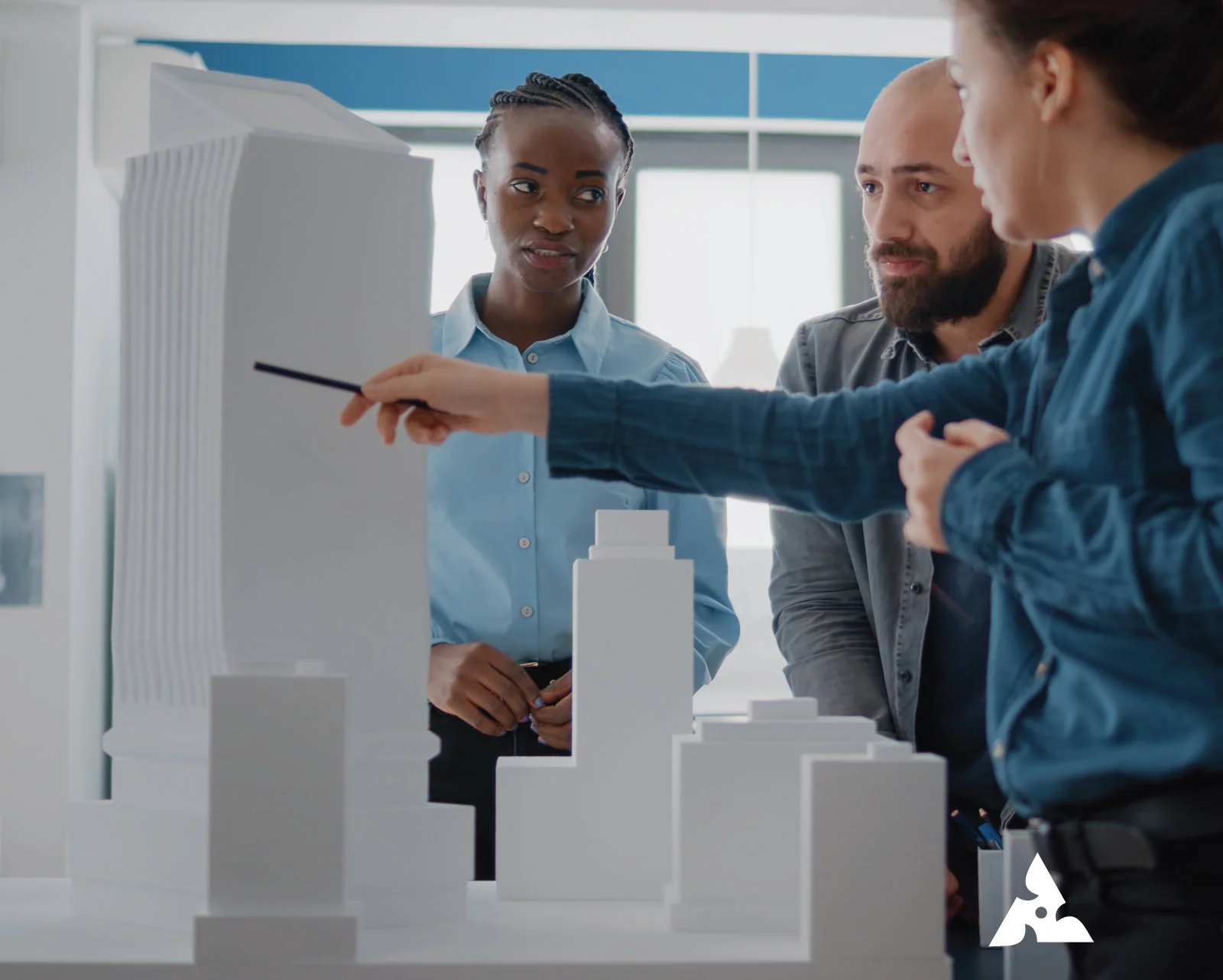
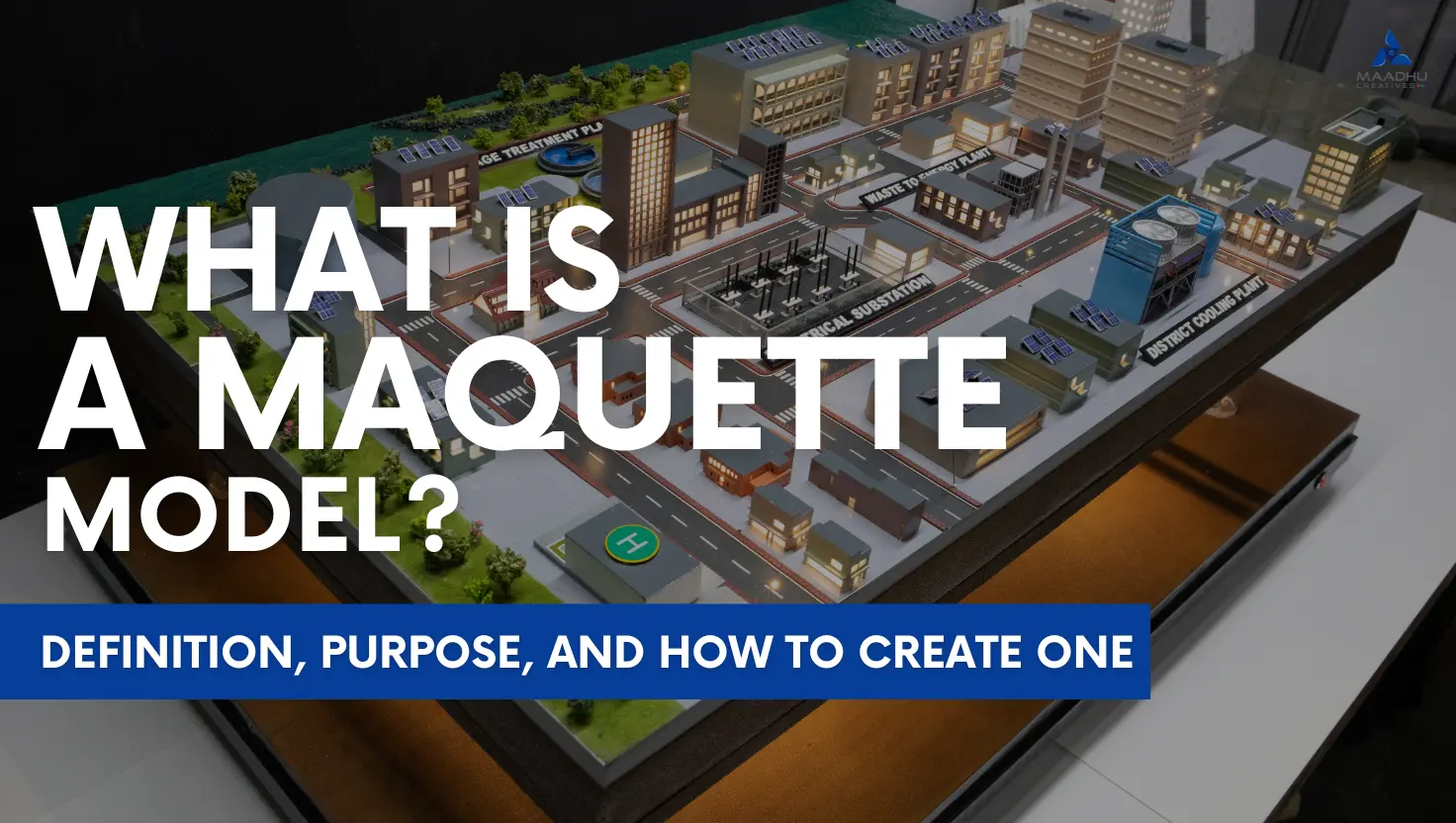
What Is a Maquette Model? Definition, Purpose, and How to Create One
Introduction
Most concepts created by designers, architects, sculptors, engineers, and product developers will undergo many iterations of testing, editing, and visualization before reaching their final form. The maquette model is critical to turning a concept into a digitally or physically manifest form before it is produced. The maquette provides a means for creators to explore structural, proportional, scales, and compositional aspects simply and practically.
This guide provides a clear explanation of the definition and meaning of the maquette model, the various uses across industries, its materials, various types of models, and a step-by-step process of how to create a maquette model. This guide will help you fully understand the process of creating a maquette model so that you can answer all your questions in one source.
What Is a Maquette? Meaning and Definition
A maquette is an expression used as a miniature prototype of a design, made in order to conceptualize the different aspects of a design before proceeding with the full-size prototype. A maquette can also be used as a three-dimensional version of a drawing that represents how the design will look when created out of materials. Simply, the maquette is a small-scale version of a design that is used to visualize and create designs before the actual design has been made.
Maquettes can be used in many different areas of creative and technical design in each case, it allows the designers to visualize and plan for their designs to determine how the finished product will appear in reality, rather than simply seeing it on a piece of paper or a computer screen.
Importance of Maquette Models
A maquette is more than an approximation of what you want to create, it's a tool for pre-design imagining of the finished product. One of the main purposes of using maquettes is to work through design problems before they become costly errors at the end of your project.
Maquettes have many essential reasons, including:
They help to visualize concepts in three-dimensional form
They facilitate communication between designers and clients.
They enable the testing of proportions in the early stages and also structure
They can reduce production errors.
They reduce time and costs for large-scale projects.
They encourage experimentation and creativity.
Based on the above reasons, maquettes are often employed by sculptors, architects, industrial designers, engineers.
Maquette in Sculpture and Art
One of the oldest uses of a maquette sculpture is in fine arts. Sculptors often begin with a small model before creating a large statue or installation.
In sculpture, a maquette helps artists:
Learn about human anatomy and abstract forms
Test the balance and proportions
Experiment with postures and expressions.
Fine-tune artistic composition before final casting.
Several famous sculptures and monuments were created with simple maquettes. The early models allowed artists to experiment with ideas without the need to invest in expensive materials that were not ready for prime time.
Concept Model Making in Design
Concept model making is the stage where ideas begin to take physical shape. It is a critical part of the creative process.
A conceptual model of a maquette is generally simple and rough. It's not focused on perfection, but on exploring the possibilities.
This stage aids designers:
Find design flaws in the early stages
Improve creative direction
Test multiple variations quickly
Make your ideas clearer to colleagues or clients
In the modern workflow, the concept models are usually made both digitally and physically.
Types of Maquette Models

Maquettes are used in many industries, and each type serves a different purpose.
Maquette Architectural Model
A maquette architectural model represents buildings, landscapes, or urban layouts. Architects use it to understand scale, space, and design flow.
Maquette Industrial Model
Maquettes are industrial models of design utilized to aid in the design of machines and products. It helps in visualizing how mechanical devices and products operate.
Maquette Engineering Model
An engineering model made of maquettes is utilized to test the strength of a structure, as well as mechanics and design practicality, before production on a large scale.
Maquette Conceptual Model
Maquette conceptual models are an unfinished prototype that is used in the initial stages of idea development. It is focused on structure and form rather than details.
Maquette Master Plan Model
Maquette master plans are utilized for large-scale development, like campuses, cities, or infrastructure planning.
Diorama Miniature Model
A diorama miniature model can be an extremely detailed model of a scene that is used in exhibitions, museums, and storytelling settings.
Maquette Miniature and 3D Mockup Models
A maquette miniature is a small-scale physical representation used for quick visualization of an idea. It focuses on overall form rather than fine details.
With technological advancement, maquette 3D modeling has become widely popular. Nowadays, designers start by making virtual prototypes of their maquettes before constructing their actual prototypes.
A 3D mockup prototype is used in:
Instant testing of design alterations
Efficient use of materials
Achieving realistic effects of lighting and texture
Easily sharing concepts with clients or collaborators
Modeling Materials Used in Maquette Making
The choice of material for modeling plays a crucial aspect in the design of maquettes. Different materials offer different levels of flexibility as well as detail.
Common materials include:
Acrylic is great when you need clean, clear models that look neat and professional.
It gives a smooth, glossy finish, which makes designs stand out nicely.
Acrylic is quite strong, so it works well for detailed and long-lasting models.
3D printing materials help turn digital designs into real objects with high accuracy.
They make it easy to create complex shapes that are hard to build by hand.
3D printing is really useful for quickly making prototypes and testing ideas.
The choice of materials is based on the function, the dimensions, and the degree of complexity of the task.
Role of Model Making Companies
A model-making business specialises in producing professional maquettes for various industries such as engineering, architecture, real estate, and design for products.
These companies offer:
Scale Model Making
Architectural models
Engineering models
Industrial models
Prototype models
Interior models
Exterior models
3D Visualization
We offer all kinds of 3D visualization services for models, helping you clearly present your ideas and designs.
3D Printing
We use high-quality materials in 3D printing to create accurate and reliable prototype models.
Professionals working with you ensure accuracy and high quality, as well as more effective visual communication of complex ideas.
How to Create a Maquette Model

The creation of a maquette is a systematic process. This is a basic step-by-step process:
Step 1: Concept Generation
Start with sketches and define your idea clearly. Understand what you want to build and why.
Step 2: Choose Scale
Choose the scale size for your model maquette. Scaling is essential to keep proportions.
Step 3: Select Materials
Choose appropriate modeling materials based on your design requirements and complexity.
Step 4: Build Basic Structure
Start with the creation or construction of the basic framework of the model. The emphasis in constructing this element of the model should be on the structure of the model as well as how the model appears visually, rather than only on the detail.
Step 5: Add Details
You will enhance your model by adding surfaces, textures (such as painting), and additional smaller components, as well.
Step 6: Review and Improve
You will evaluate your model by examining the balance, proportion, and accuracy of the design. If necessary, you may need to make changes to improve these parts of the model.
Maquette in Modern Digital Design
Today, designers have several new tools and software that enable them to create maquettes using a 3D modeling approach. Digital maquettes allow designers the ability to quickly make adjustments and try different things with their designs, while providing no limitations in the physical world. As a result, 3D models of maquettes are commonly used across many industries, including architecture, animation, video games, and product design.
Digital maquettes allow designers to get a better idea of what will be produced before making any physical product by lowering risk while increasing productivity.
Conclusion
A maquette model is invaluable to the designer and creative industries. It acts as a connection between imagination and a physical representation of your idea by allowing your concept to be evaluated using either a physical or digital technique. The range of uses for maquettes is limitless, from maquette sculptures used in artistic endeavors to the use of maquettes to create architectural models for building and developing ideas. A maquette is a part of every creative process.
By learning the meaning of maquette to better their ability to create, be accurate, and communicate, designers utilizing traditional and digital methods alike utilize this tool to design various forms of design that have changed the way designers approach their work.
Frequently Asked Questions
A maquette is used to create a small preliminary model of a design before final production. It helps visualize structure, scale, and form.
Q2: What is the difference between a maquette and a final model?
A maquette is used to create a small preliminary model of a design before final production. It helps visualize structure, scale, and form.
Q3: What materials are used in maquette making?
In our work, we primarily use acrylic and 3D printing to create precise, detailed, and high-quality models. Acrylic helps us achieve clean, transparent, and well-finished designs, while 3D printing allows accurate digital fabrication of complex forms and quick prototyping of ideas.
Q4: Why are maquettes important in design?
Maquettes are important to the design process because they assist in reducing errors, improving design accuracy, saving costs, and facilitating a more accurate visual representation before production.
Related Blogs
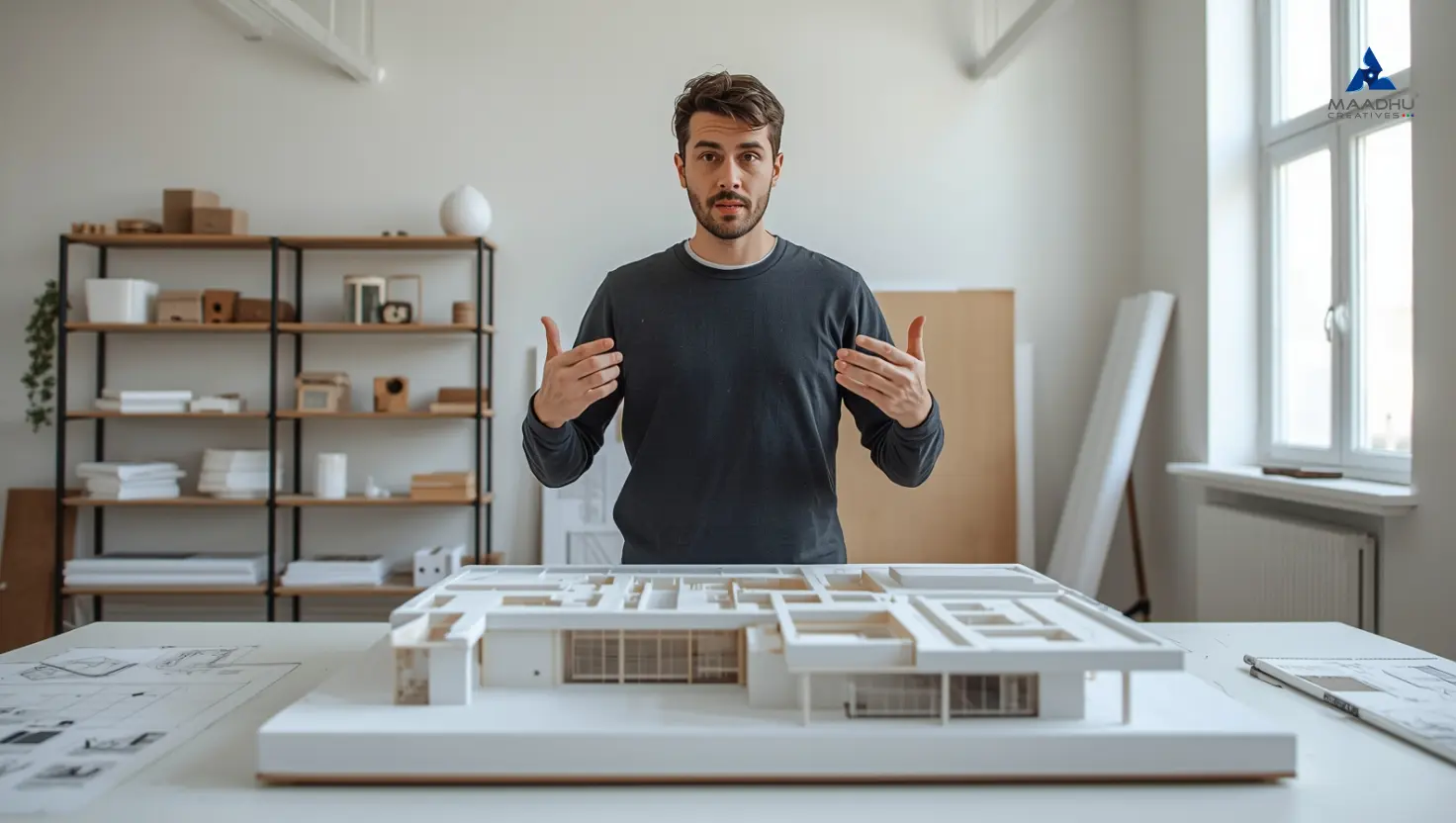
How Concept Models Turn Ideas Into Reality: Everything You Need to Know
Need a concept model for your next project? Our team delivers high-quality architectural, engineering, and product models tailored to your vision.
Read More
maadhu creative
•November 29, 2025
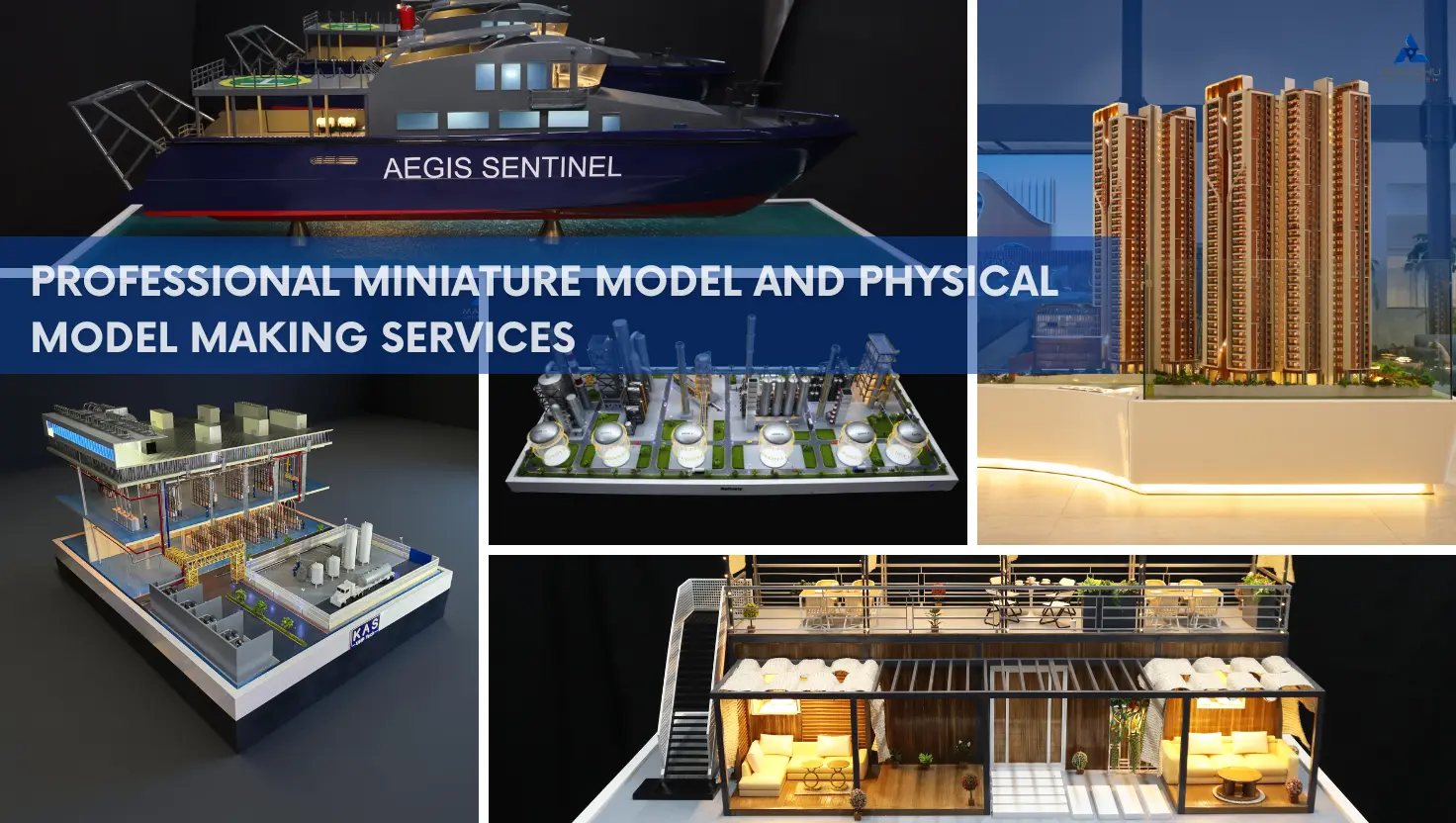
Custom 3D Physical Models Crafted by Professional Model Makers
Get high-quality miniature and physical model making services for architectural, industrial, engineering, and custom projects. Contact Maadhu Creative...
Read More
Maadhu Creatives
•June 10, 2026
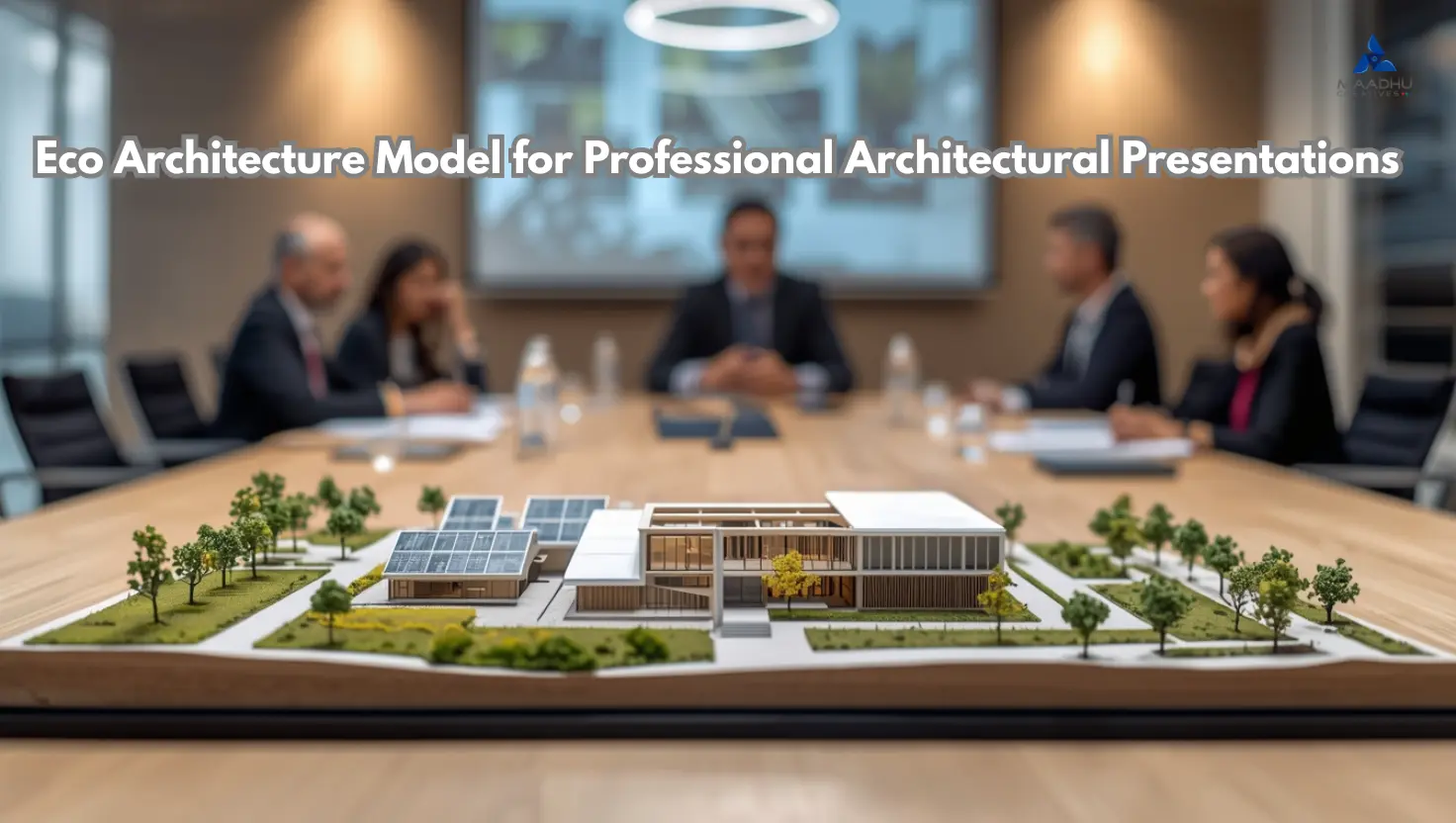
Eco Architecture Model for Professional Architectural Presentations
Showcase your sustainable vision with expert eco architecture model making services. Contact us today to discuss your project and bring your design to...
Read More
maadhu creative
•January 17, 2026